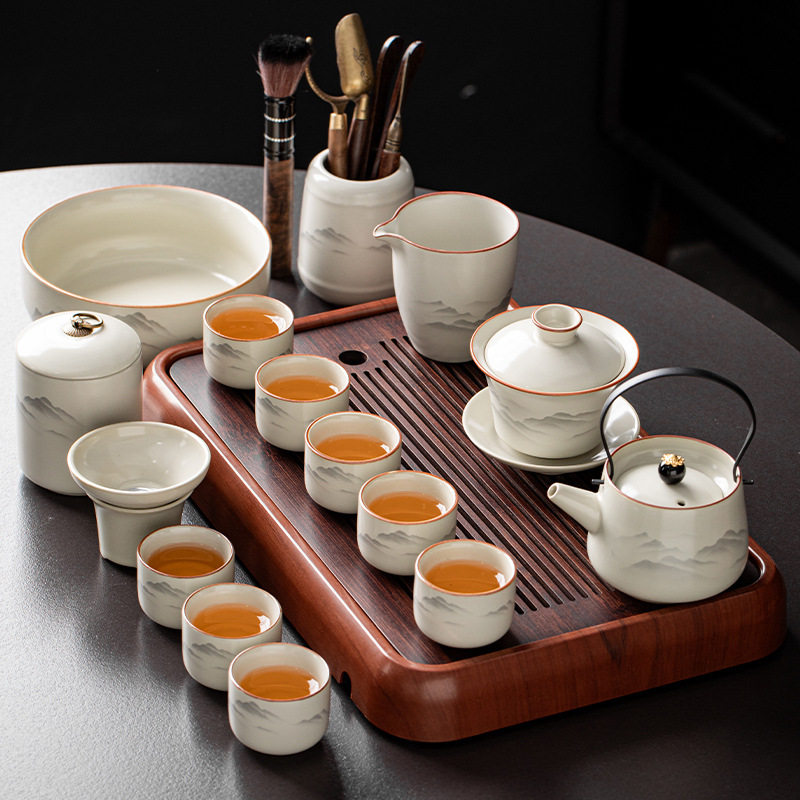
在中国茶文化的浩瀚宇宙中,流传着一句至理名言:“器为茶之父,水为茶之母。”这不仅仅是一句谚语,更是揭示了茶汤风味形成的底层逻辑。对于海外华人和世界茶文化爱好者而言,理解这一概念是进阶的必经之路。
In the vast universe of Chinese tea culture, there is a famous saying: "The vessel is the father of tea, and water is the mother of tea." This is not just a proverb, but a revelation of the underlying logic that forms the flavor of tea soup. For overseas Chinese and global tea culture enthusiasts, understanding this concept is an essential step in advancing your tea journey.
茶叶本身是静止的植物叶片,只有当它与水相遇,并在特定的容器中释放内涵时,茶的生命才真正开始。茶具不仅仅是盛装液体的容器,它们是激发茶性、修饰风味、甚至重塑茶汤灵魂的媒介。不同的材质拥有不同的密度、气孔率和导热性,这些物理特性直接决定了茶汤的香气高低、滋味厚薄以及汤色的明暗。
Tea leaves themselves are dormant plants; only when they meet water and release their essence within a specific vessel does the life of tea truly begin. Teaware is not merely a container for liquid; it is a medium that excites the nature of the tea, modifies its flavor, and even reshapes its soul. Different materials possess varying densities, porosity, and thermal conductivity. These physical characteristics directly determine the height of the aroma, the thickness of the taste, and the brightness of the liquor color.
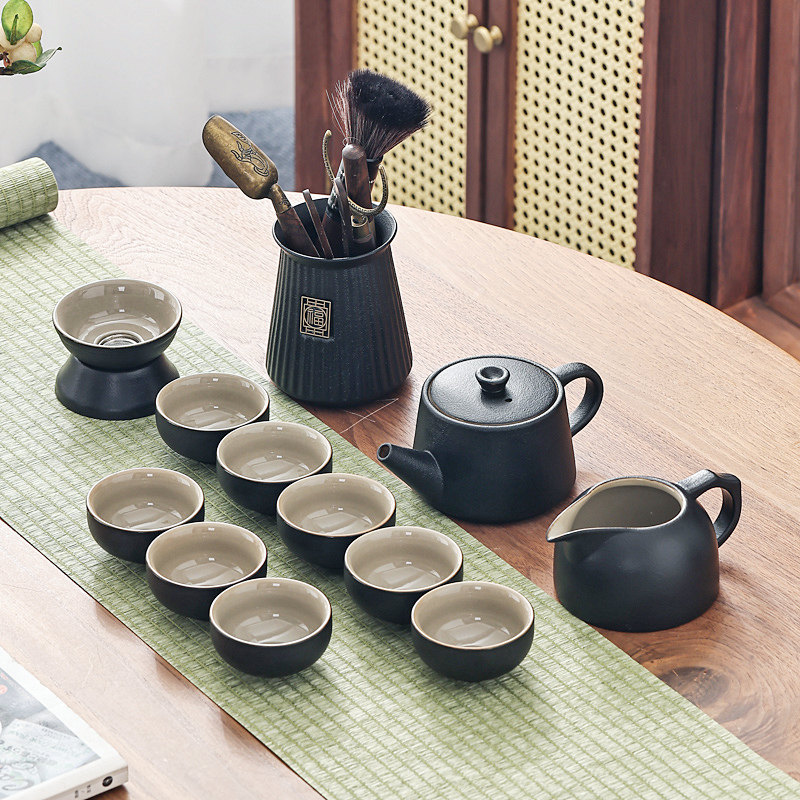
选择正确的茶具,实际上是在为每一种茶叶寻找最合适的“翻译官”。如果将顶级的武夷岩茶放入散热过快的玻璃杯中,其霸气的岩韵便会消散;若将娇嫩的明前龙井置于吸热过猛的粗陶壶中,鲜爽的豆香恐将被闷熟的苦涩所取代。因此,在ClayAndLeafTea的哲学里,我们不仅是在贩卖器物,更是在传递一种精准的风味美学。
Choosing the correct teaware is essentially finding the most suitable "translator" for each type of tea. If you put top-grade Wuyi Rock Tea into a glass cup that dissipates heat too quickly, its domineering rock rhyme will dissipate; if you place tender Pre-Qingming Longjing into a coarse pottery pot that absorbs heat too aggressively, the fresh bean aroma may be replaced by a stewed bitterness. Therefore, in the philosophy of ClayAndLeafTea, we are not just selling vessels, but conveying a precise aesthetic of flavor.
紫砂:呼吸的艺术与乌龙茶、普洱的醇厚
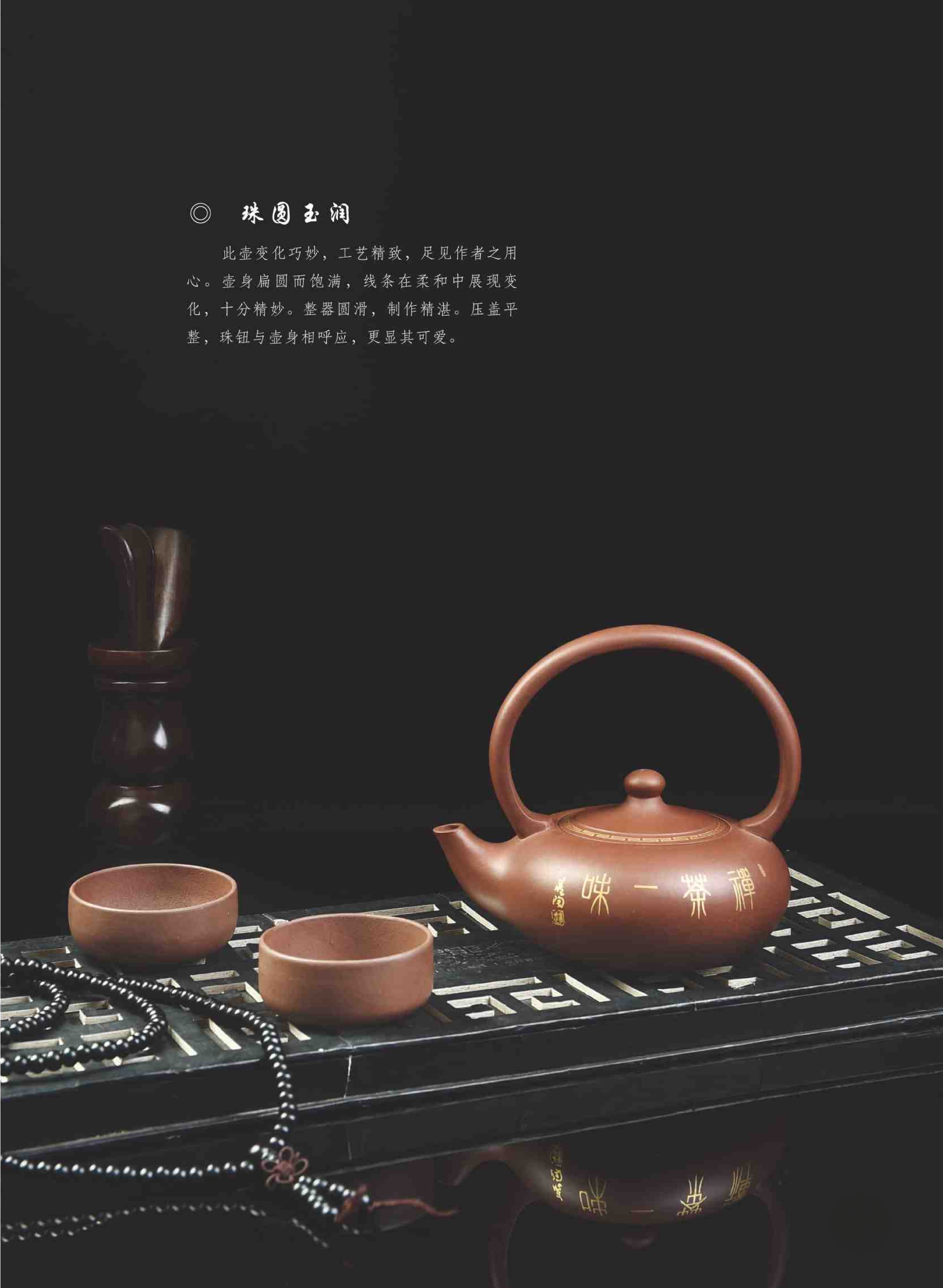
When discussing teaware, one must mention Yixing Zisha clay. The reason Zisha holds a supreme position in the tea world stems from its unique "dual pore structure." This special mineral structure gives Zisha teapots the characteristic of being permeable to air but not water, leading tea enthusiasts to vividly call it "the breathing teapot."
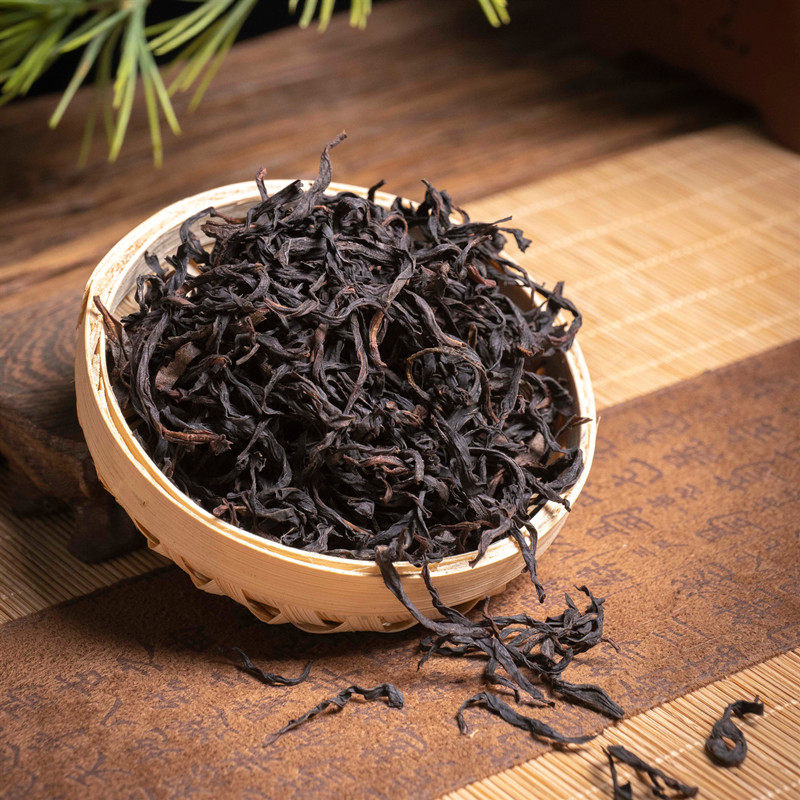
对于乌龙茶(如铁观音、武夷岩茶、凤凰单丛)而言,紫砂是绝佳的伴侣。乌龙茶属于半发酵茶,讲究“重香韵、重韵味”。紫砂壶能够吸附部分茶香,这种吸附作用并非浪费,而是为了“养壶”。随着使用时间的推移,壶壁积聚的“茶山”会释放出淡淡的茶韵,使得即便是白开水注入也能带有茶色茶香。更重要的是,紫砂良好的保温性能够激发乌龙茶高沸点的芳香物质,使茶汤更加醇厚顺滑,也就是我们常说的“软水”效果。
For Oolong tea (such as Tieguanyin, Wuyi Rock Tea, Phoenix Dancong), Zisha is an excellent partner. Oolong is a semi-fermented tea that emphasizes "rich aroma and lingering rhyme." Zisha teapots can absorb some tea aroma; this absorption is not a waste but serves to "nourish the pot." Over time, the "tea mountain" accumulated on the pot walls releases a faint tea rhyme, so that even plain boiled water poured into it can take on a tea color and aroma. More importantly, the good heat retention of Zisha can excite the high-boiling aromatic substances in Oolong tea, making the tea soup more mellow and smooth—what we often call the "soft water" effect.
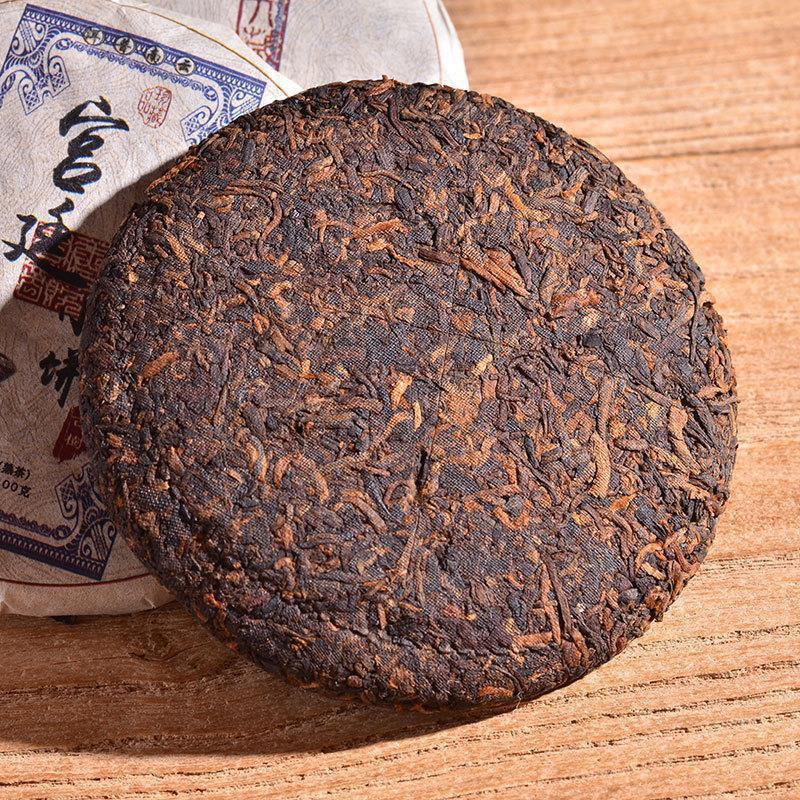
同样,对于普洱茶(尤其是熟普和陈年老生普),紫砂壶也是首选。普洱茶属于后发酵茶,往往带有陈气或堆味。紫砂的吸附性可以适度吸纳这些杂味,同时其透气性有助于普洱茶在冲泡过程中进行微量的氧化反应,使茶汤更加红润透亮,口感更加绵甜。
Similarly, for Pu-erh tea (especially ripe Pu-erh and aged raw Pu-erh), a Zisha teapot is also the first choice. Pu-erh is a post-fermented tea that often carries an aged aroma or pile flavor. The adsorption property of Zisha can moderately absorb these miscellaneous odors, while its breathability aids in oxidation during the brewing process, making the tea soup redder, brighter, and the taste more sweet and soft.
白瓷:公正的审判官与绿茶、白茶的清雅
如果说紫砂是一位深沉的老者,那么白瓷则是一位公正的法官。白瓷密度高、气孔率极低,表面覆盖着光洁的釉层。这意味着它既不吸香,也不吸味,能够最忠实地还原茶叶原本的风貌。
If Zisha is a profound old man, then white porcelain is a fair judge. White porcelain has high density and extremely low porosity, with a smooth glaze layer covering the surface. This means it neither absorbs aroma nor flavor, allowing it to most faithfully restore the original appearance of the tea.
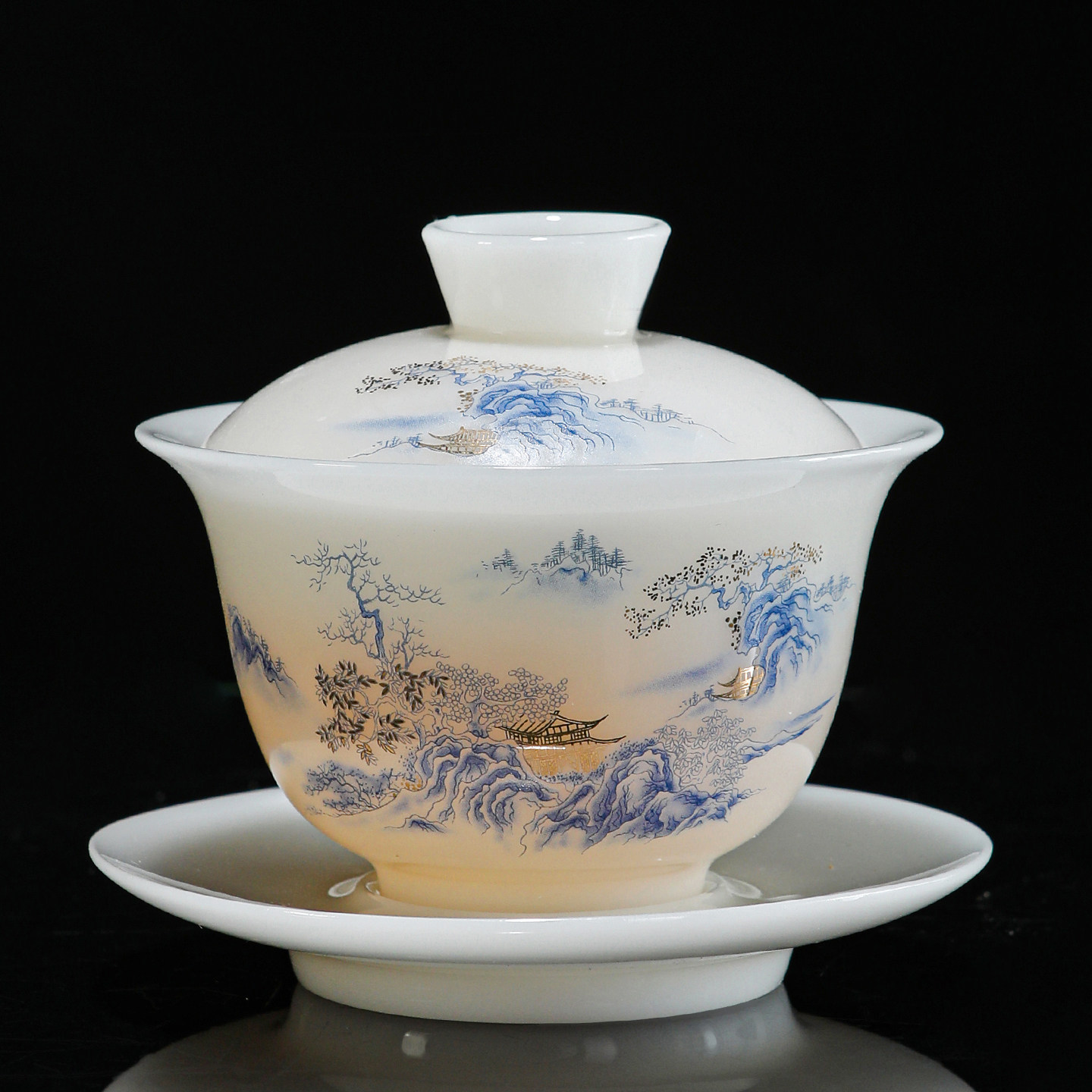
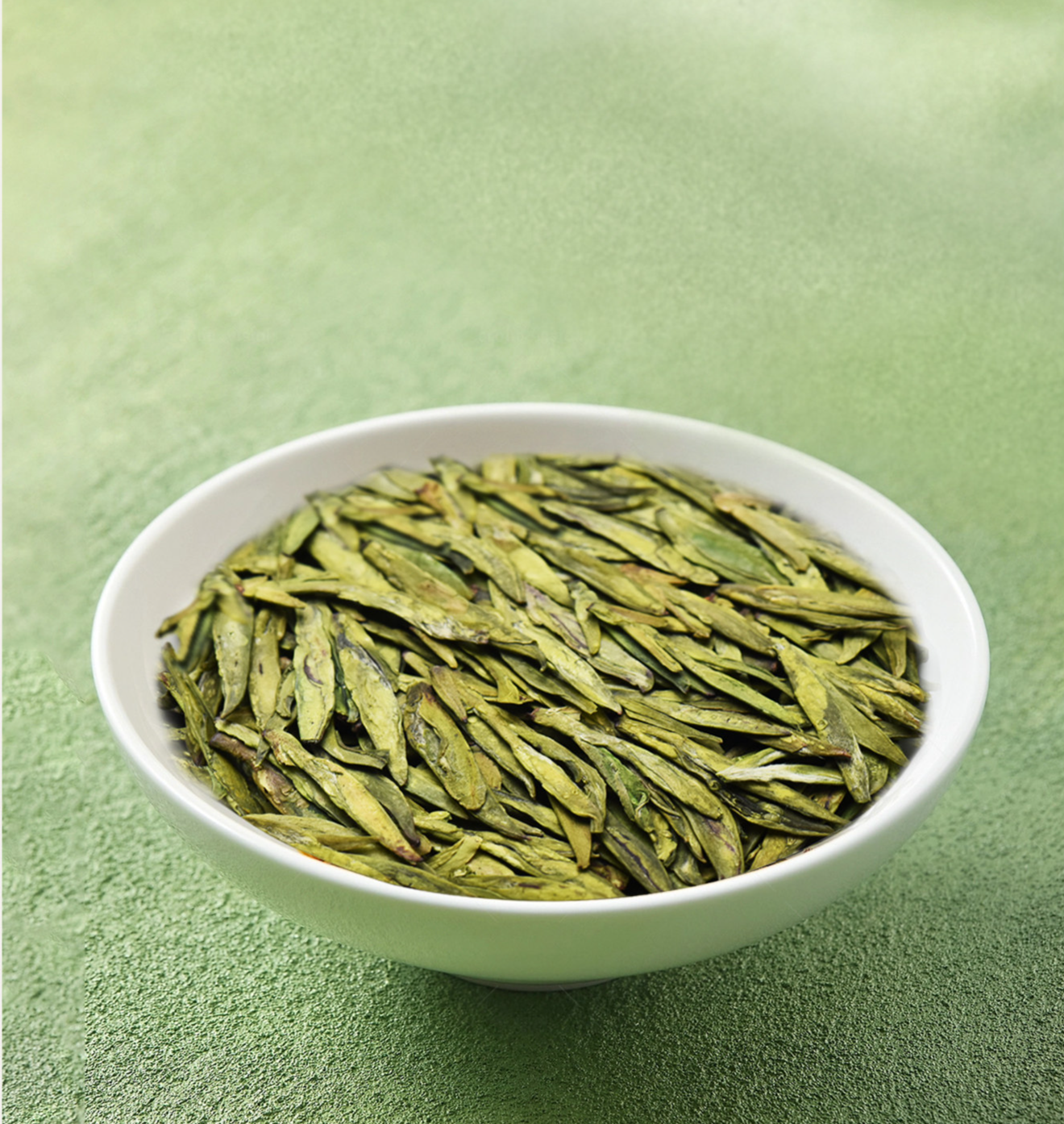
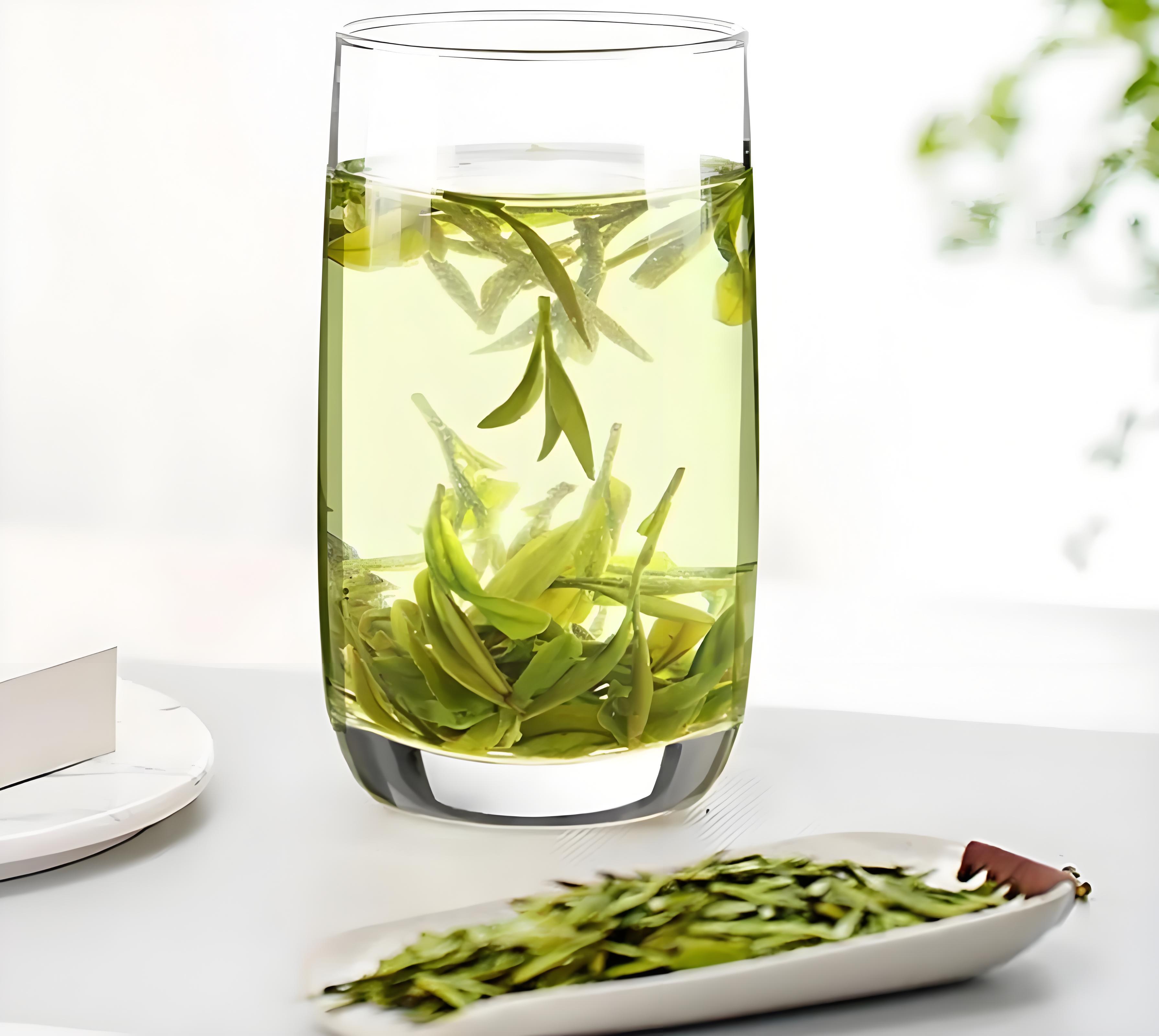
绿茶(如西湖龙井、碧螺春)是春天的信使,讲究的是“鲜”与“嫩”。使用白瓷盖碗或玻璃杯冲泡绿茶,是最佳的选择。白瓷的高密度使得热量散发适中,不会像紫砂那样闷坏娇嫩的芽叶,从而保留了绿茶清汤绿叶的特征和鲜爽的豆香、兰花香。此外,白瓷洁白的底色能完美衬托出绿茶清澈碧绿的汤色,给人以视觉上的享受。
Green tea (such as West Lake Longjing, Biluochun) is the messenger of spring, emphasizing "freshness" and "tenderness." Using a white porcelain Gaiwan or glass cup to brew green tea is the best choice. The high density of white porcelain allows for moderate heat dissipation, preventing the delicate buds from being stewed as they might be in Zisha, thereby preserving the green tea's characteristics of clear soup and green leaves, along with its fresh bean and orchid aroma. Furthermore, the pure white background of the porcelain perfectly sets off the clear, emerald green color of the tea soup, providing a visual delight.
白茶(如白毫银针、白牡丹)则以其毫香蜜韵著称。白茶的制作工艺最自然,不炒不揉,保留了大量的茶毫。使用白瓷盖碗冲泡,既能通过盖碗的开口闻香,感受白茶从毫香到花香的层次变化,又能避免器具夺走白茶那细腻幽雅的天然甜味。对于追求“原汁原味”的茶客来说,白瓷是不二之选。
White tea (such as White Hair Silver Needle, White Peony) is renowned for its downy aroma and honey rhyme. The production process of white tea is the most natural, involving no frying or rolling, preserving a large amount of tea hairs. Brewing with a white porcelain Gaiwan allows one to smell the aroma through the opening, experiencing the layered changes from downy scent to floral fragrance, while avoiding the vessel stealing the delicate and elegant natural sweetness of the white tea. For tea drinkers pursuing the "original taste," white porcelain is the best choice.
玻璃:视觉的盛宴与花草茶、黄茶的观赏
玻璃茶具在现代茶文化中占据着独特的生态位。它的最大优势在于通透。对于视觉系饮茶体验,玻璃是无可替代的媒介。
Glass teaware occupies a unique niche in modern tea culture. Its greatest advantage lies in its transparency. For a visual tea drinking experience, glass is an irreplaceable medium.
花草茶(如玫瑰花冠、菊花茶、路易波士)通常由花朵、果实或草本植物组成。在玻璃壶中冲泡,看着干花在水中缓缓舒展、上下浮沉,茶汤颜色由浅入深,这本身就是一场视觉的表演。玻璃材质化学性质稳定,不会与花草茶中的酸性物质发生反应,能保持花草茶原本鲜艳的色泽和酸甜的口感。
Herbal teas (such as rose buds, chrysanthemum tea, rooibos) usually consist of flowers, fruits, or herbs. Brewing in a glass pot, watching the dried flowers slowly unfold and float up and down in the water, with the tea soup color deepening from light to dark, is itself a visual performance. Glass is chemically stable and does not react with acidic substances in herbal tea, maintaining the original bright color and sweet and sour taste of the herbs.
此外,对于外形优美的黄茶(如君山银针)或工艺花茶,玻璃杯也是展示其“三起三落”或“花开瞬间”的最佳舞台。
In addition, for beautifully shaped Yellow Tea (such as Junshan Yinzhen) or artistic flowering tea, a glass cup is also the best stage to display their "three rises and three falls" or the "moment of blooming."
建盏与青瓷:历史的温度与红茶的甜润
除了上述三大主流材质,建盏和青瓷也在特定的茶类中扮演着重要角色。
In addition to the three mainstream materials mentioned above, Jian Ware and Celadon also play important roles in specific tea categories.
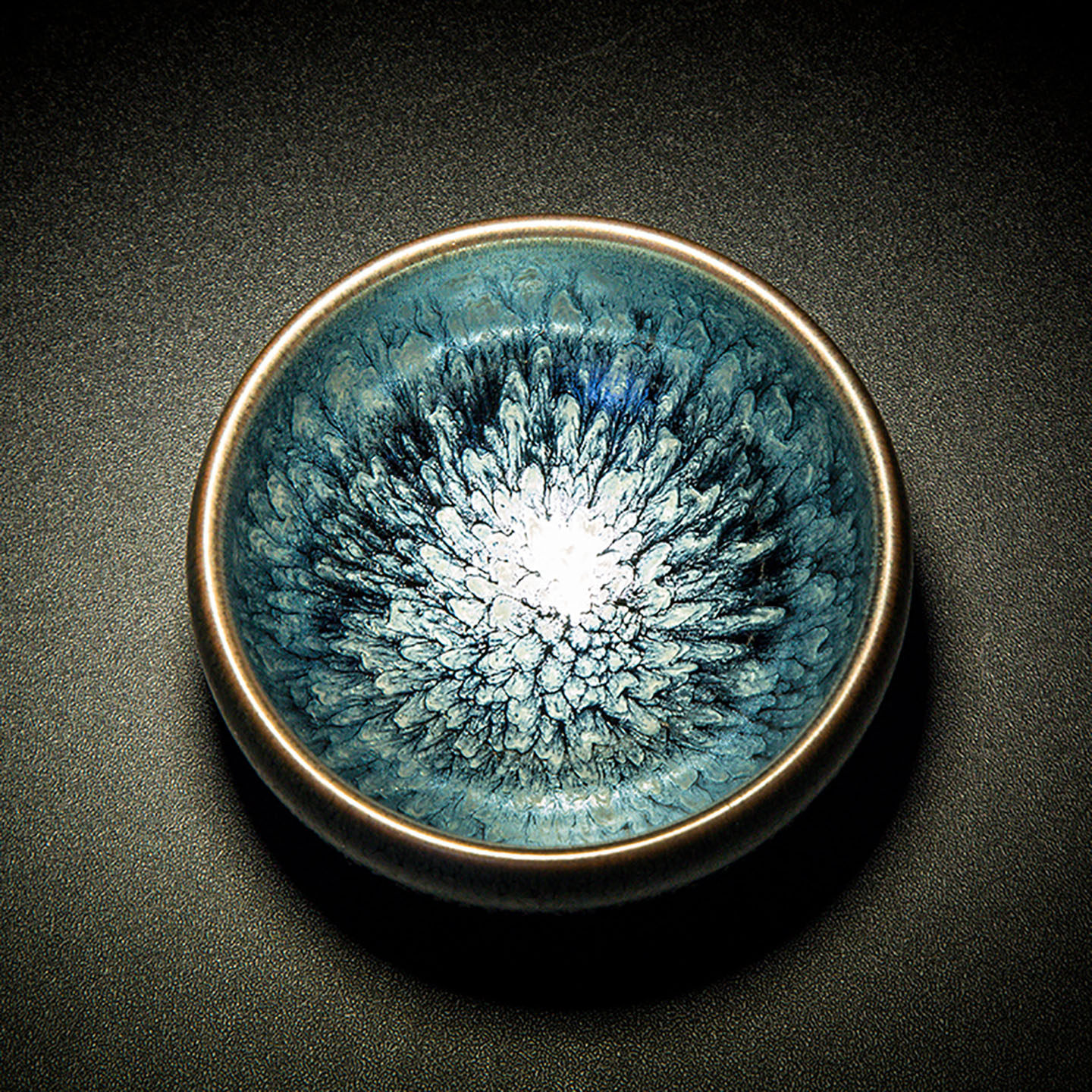
建盏,源于宋代,是黑釉瓷的代表。其含铁量高,胎骨厚重,具有极佳的保温和聚热效果。对于全发酵的红茶而言,高温有助于激发其甜润的薯香或花果香。建盏的黑釉能衬托出红茶红艳明亮的汤色,且其独特的结晶斑纹(如兔毫、油滴)在茶汤中会产生迷人的光影折射,增添品饮的趣味性。
Jian Ware, originating from the Song Dynasty, is a representative of black-glazed porcelain. It has a high iron content and a thick body, providing excellent heat retention and heat gathering effects. For fully fermented Black Tea, high temperatures help excite its sweet potato or floral and fruity aromas. The black glaze of Jian Ware sets off the bright red color of black tea, and its unique crystalline patterns (such as rabbit hair and oil spots) create fascinating light refraction in the tea soup, adding fun to the tasting experience.
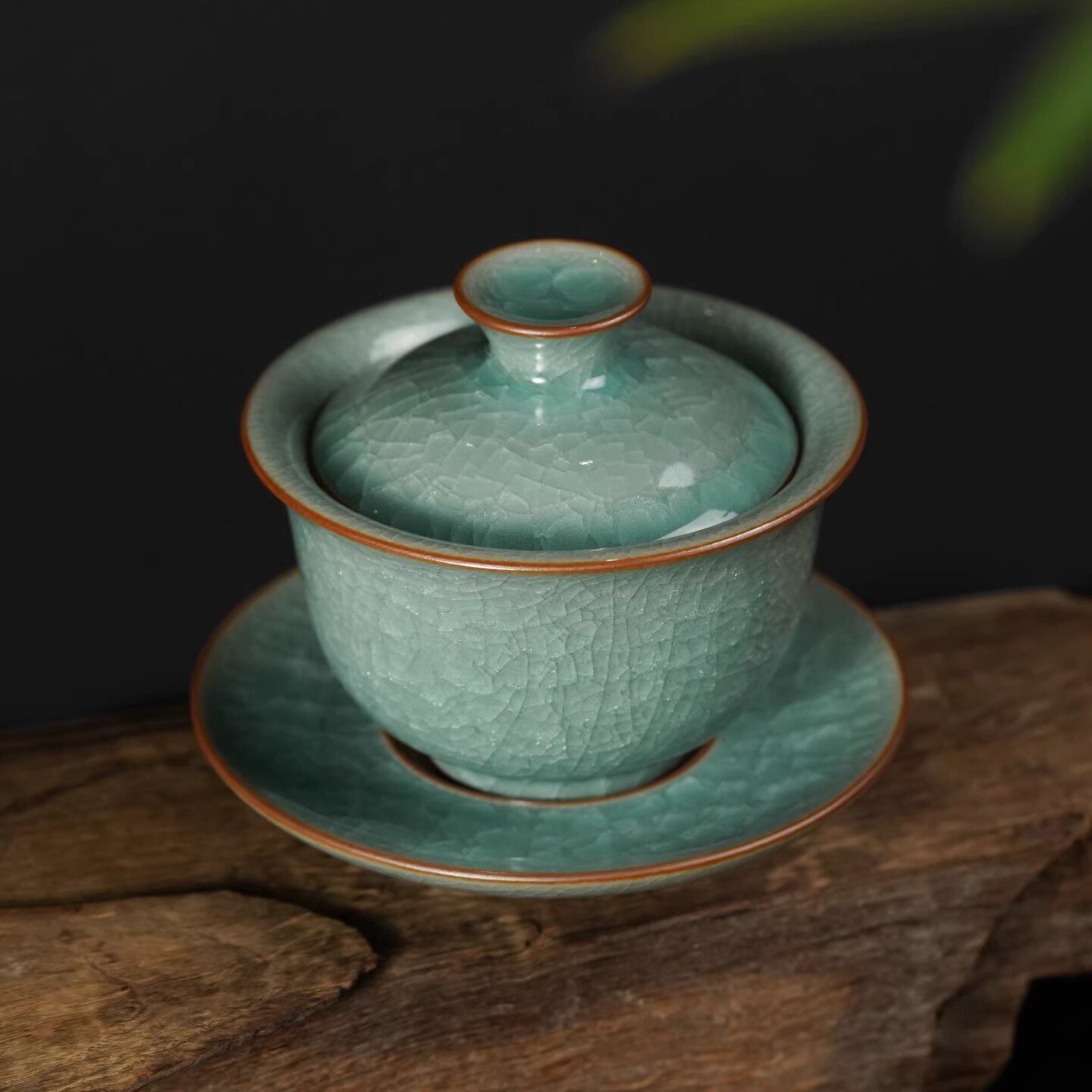
青瓷(如龙泉青瓷)釉色青翠,温润如玉。它介于白瓷的致密和陶器的透气之间,既能保持茶香,又能软化水质。用青瓷冲泡轻发酵的乌龙茶(如清香型铁观音)或绿茶,能赋予茶汤一种独特的“如玉般”的质感,使口感更加细腻。
Celadon (such as Longquan Celadon) has a verdant glaze color and is as warm and smooth as jade. It lies between the density of white porcelain and the breathability of pottery; it can maintain tea aroma while softening water quality. Brewing lightly fermented Oolong tea (such as type Tieguanyin) or green tea with Celadon can endow the tea soup with a unique "jade-like" texture, making the taste more delicate.
工欲善其事:茶周边工具的必要性
如果说主泡器(壶、杯)是舞台上的主角,那么茶周边工具(茶道六君子、茶盘、茶宠)则是确保演出顺利进行的幕后团队。许多初学者会问:“为什么喝茶需要这么多工具?”答案在于:精准、卫生与仪式感。
If the main brewing vessels (pots, cups) are the protagonists on stage, then tea accessories (The Six Gentlemen of Tea, tea trays, tea pets) are the backstage team ensuring the performance goes smoothly. Many beginners ask, "Why are so many tools needed for drinking tea?" The answer lies in: precision, hygiene, and a sense of ritual.
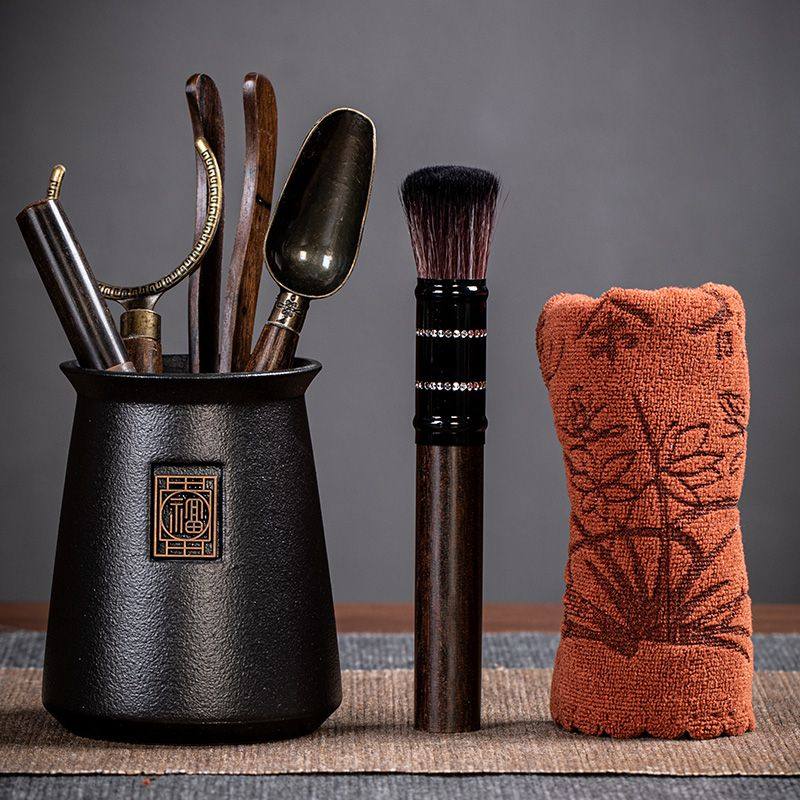
茶道六君子包括茶则、茶针、茶漏、茶夹、茶匙和茶筒。每一样都有其不可替代的功能。茶则用于量取茶叶,避免手直接接触干茶,既卫生又能保持茶叶干燥;茶针用于疏通被茶叶堵塞的壶嘴,保证出水流畅;茶漏放置在壶口,防止干茶散落;茶夹用于夹取茶杯进行清洗和分发给客人,这是东方礼仪中“洁净”的体现。
The Six Gentlemen of Tea include the tea scoop, tea needle, tea funnel, tea tongs, tea spoon, and tea container. Each has its irreplaceable function. The tea scoop is used to measure tea leaves, avoiding direct hand contact with dry tea, which is hygienic and keeps the tea dry; the tea needle is used to clear teapot spouts clogged by leaves, ensuring smooth water flow; the tea funnel is placed at the pot mouth to prevent dry tea from scattering; tea tongs are used to pick up tea cups for washing and serving guests, embodying the Eastern etiquette of "cleanliness."
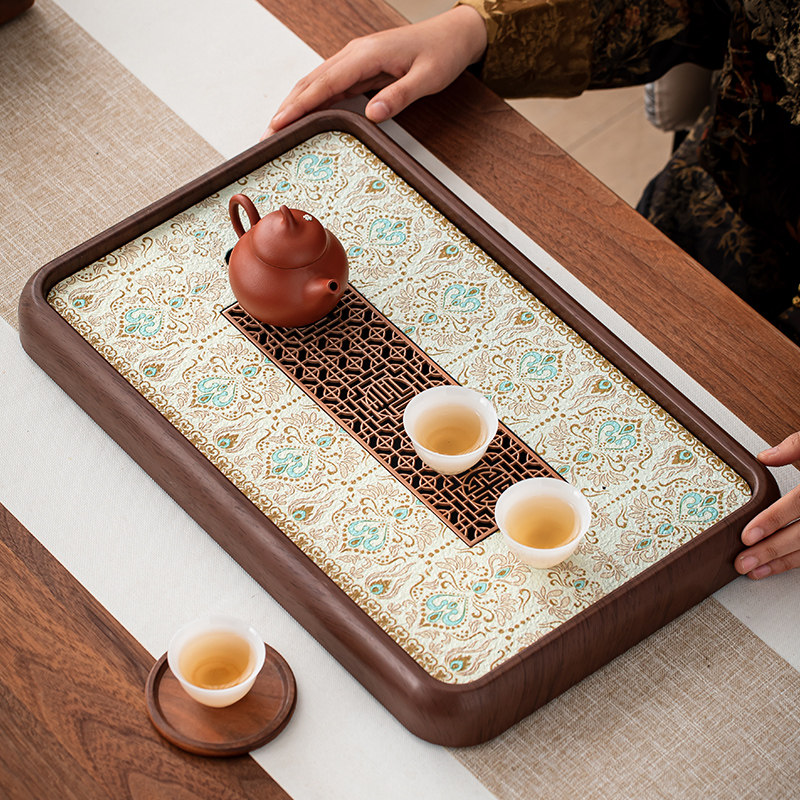
茶盘(茶海)则是整个茶席的基石。它不仅承载了所有的茶具,更重要的是解决了废水的排放问题。在“功夫茶”泡法中,需要淋壶温杯,产生大量废水,茶盘通过排水系统保持桌面的干爽整洁。
The tea tray (tea sea) is the cornerstone of the entire tea setting. It not only supports all the teaware but, more importantly, solves the wastewater drainage problem. In the "Kung Fu Tea" brewing method, pouring water over the pot to warm the cups is required, generating a large amount of wastewater; the tea tray keeps the desktop dry and tidy through its drainage system.
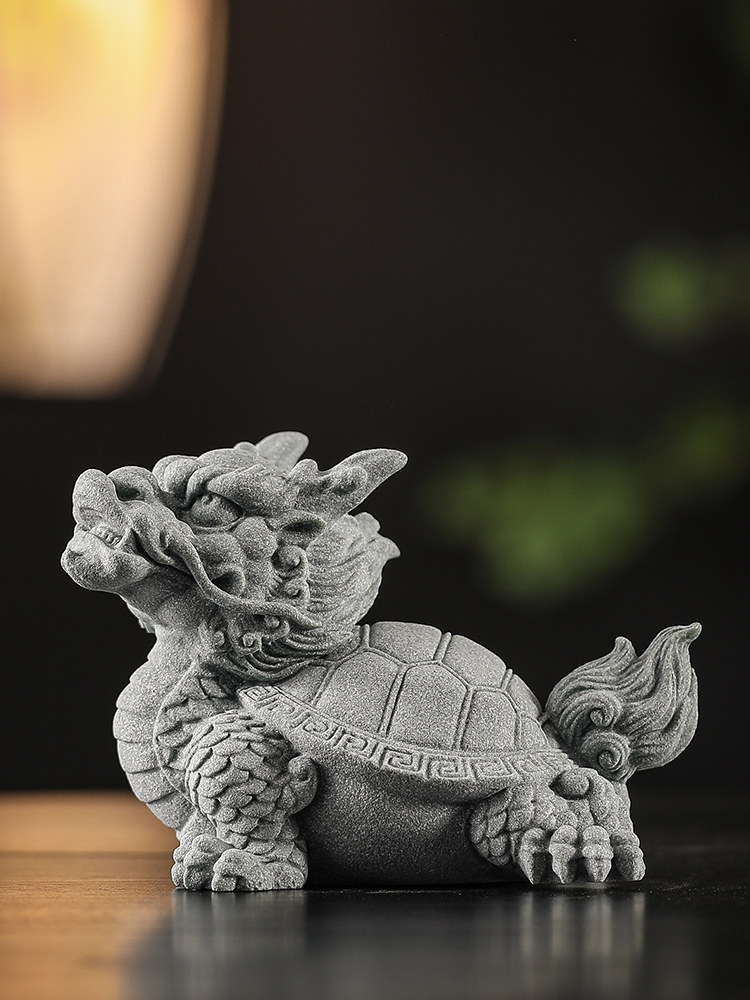
茶宠,这些放置在茶盘上的小雕塑,通常由紫砂或陶土制成。它们不仅是装饰,更是茶人情感的寄托。通过日复一日地用茶汤浇淋,茶宠会变得温润有光泽,成为陪伴茶人岁月的“老友”。
Tea pets, these small sculptures placed on the tea tray, are usually made of Zisha or clay. They are not just decorations but also the emotional sustenance of the tea person. Through daily pouring of tea soup over them, tea pets become warm and lustrous, becoming "old friends" accompanying the tea person through the years.
附录:六大茶类冲泡指南速查表
为了帮助您在日常品饮中更好地掌握茶与器的配合,我们整理了这份简易的冲泡参数表。请注意,这些参数是基准线,您可以根据个人口味浓淡进行微调。
Appendix: Quick Reference Guide for Brewing Six Major Tea Types
To help you better master the combination of tea and vessels in your daily drinking, we have compiled this simple brewing parameter table. Please note that these parameters are baselines, and you can adjust them slightly according to your personal taste preferences.
| 茶类 | 推荐器具 | 建议水温 | 核心冲泡手法 | 备注 |
|---|---|---|---|---|
| 绿茶 | 玻璃杯 / 白瓷盖碗 | 80°C - 85°C | 中投法/下投法:先倒水后投茶,或先投茶后注水。切忌盖盖闷泡,以免烫熟茶叶产生“熟汤气”。 | 观赏性极佳,适合在玻璃杯中欣赏茶叶舞动。 |
| 白茶 | 白瓷盖碗 / 紫砂壶 | 95°C - 100°C | 环壁注水:沿盖碗边缘注水,避免直冲芽头。老白茶可煮饮。 | 新茶重鲜爽,老茶重药香,器具需保持洁净无油。 |
| 黄茶 | 玻璃杯 / 白瓷盖碗 | 85°C - 90°C | 回旋注水:类似绿茶,需快速出汤,避免闷泡导致苦涩。 | 黄茶工艺近似绿茶,但多一道“闷黄”,口感更醇和。 |
| 乌龙茶 | 紫砂壶 / 白瓷盖碗 | 100°C (沸水) | 高冲低斟:悬壶高冲以激发香气,刮沫淋盖,快速出汤。 | 讲究“功夫”泡法,需闻盖香,重韵味。 |
| 红茶 | 白瓷盖碗 / 瓷壶 | 90°C - 95°C | 定点注水:水流柔和,避免剧烈翻滚产生酸涩感。 | 优质红茶会有“金圈”,白瓷最能体现汤色。 |
| 黑茶/普洱 | 紫砂壶 / 陶壶 | 100°C (沸水) | 醒茶/洗茶:第一泡快速润茶倒掉。定点低斟,保持高温激发陈韵。 | 紫砂壶能吸附堆味,使茶汤更顺滑醇厚。 |
注: 茶水比通常建议为 1:50(即3克茶配150毫升水),但这可根据容器大小和个人喜好灵活调整。
Note: The tea-to-water ratio is generally recommended to be 1:50 (i.e., 3 grams of tea to 150 ml of water), but this can be flexibly adjusted based on the vessel size and personal preference.
器物的修行:茶具的日常养护与清洁
在东方美学中,器物并非静止的死物,而是陪伴我们岁月的“伴侣”。一套茶具,从初次使用的生涩,到经年累月后的温润如玉,中间的过程便是一场“修行”。对于ClayAndLeafTea的藏家而言,了解如何正确清洁与保养茶具,与学会如何冲泡一样重要。
In Eastern aesthetics, objects are not static dead matter, but "companions" that accompany us through the years. A set of teaware, from the unrefined feel of first use to the warm, jade-like texture after years of companionship—the process in between is a "cultivation." For collectors of ClayAndLeafTea, knowing how to correctly clean and maintain teaware is as important as learning how to brew.
不同的材质拥有不同的“性格”,因此我们需要“因材施教”,用正确的方式去呵护它们。
Different materials possess different "personalities," so we need to "teach according to aptitude" and care for them in the correct way.
紫砂:呵护它的“呼吸”
紫砂壶是茶具中的“活器”,其独特的双气孔结构会吸收茶汤。因此,紫砂的保养核心在于“不堵塞”与“防异味”。
Zisha teapots are "living vessels" among teaware; their unique dual pore structure absorbs tea soup. Therefore, the core of Zisha maintenance lies in "not clogging" and "preventing odors."
- 忌化学清洁剂: 永远不要使用洗洁精、肥皂或任何化学清洁剂清洗紫砂壶。这些物质不仅会洗去壶壁吸附的茶香,化学残留还会渗入气孔,导致茶壶产生异味(俗称“花掉”)。
- Avoid Chemical Cleaners: Never use dish soap, detergent, or any chemical cleaners to wash a Zisha teapot. These substances will not only wash away the tea aroma absorbed by the pot walls but chemical residues can also seep into the pores, causing the teapot to develop off-flavors (commonly known as "becoming speckled").
- 及时清理: 每次泡完茶,务必倒空茶渣,用热水冲洗壶内外,然后用柔软的棉布或茶巾轻轻擦干壶身水分。
- Clean Immediately: After each brewing session, be sure to empty the tea leaves, rinse the inside and outside of the pot with hot water, and then gently wipe the moisture off the pot body with a soft cotton cloth or tea towel.
- 彻底晾干: 清洗后,务必将壶盖和壶身分开,倒扣在通风处彻底阴干。切忌在壶内潮湿时盖上盖子,否则容易滋生霉菌。
- Dry Thoroughly: After cleaning, be sure to separate the lid and the pot body, and invert them in a ventilated place to dry completely. Never put the lid on while the inside is damp, otherwise it is easy to breed mold.
- 一壶一茶: 由于紫砂会吸附味道,建议一把壶只泡一种茶(如专壶专用泡普洱或岩茶),以保证茶汤风味的纯正。
- One Pot, One Tea: Since Zisha absorbs flavors, it is recommended to use one pot for only one type of tea (e.g., a dedicated pot for Pu-erh or Rock Tea) to ensure the purity of the tea soup's flavor.
瓷器与玻璃:保持纯净与通透
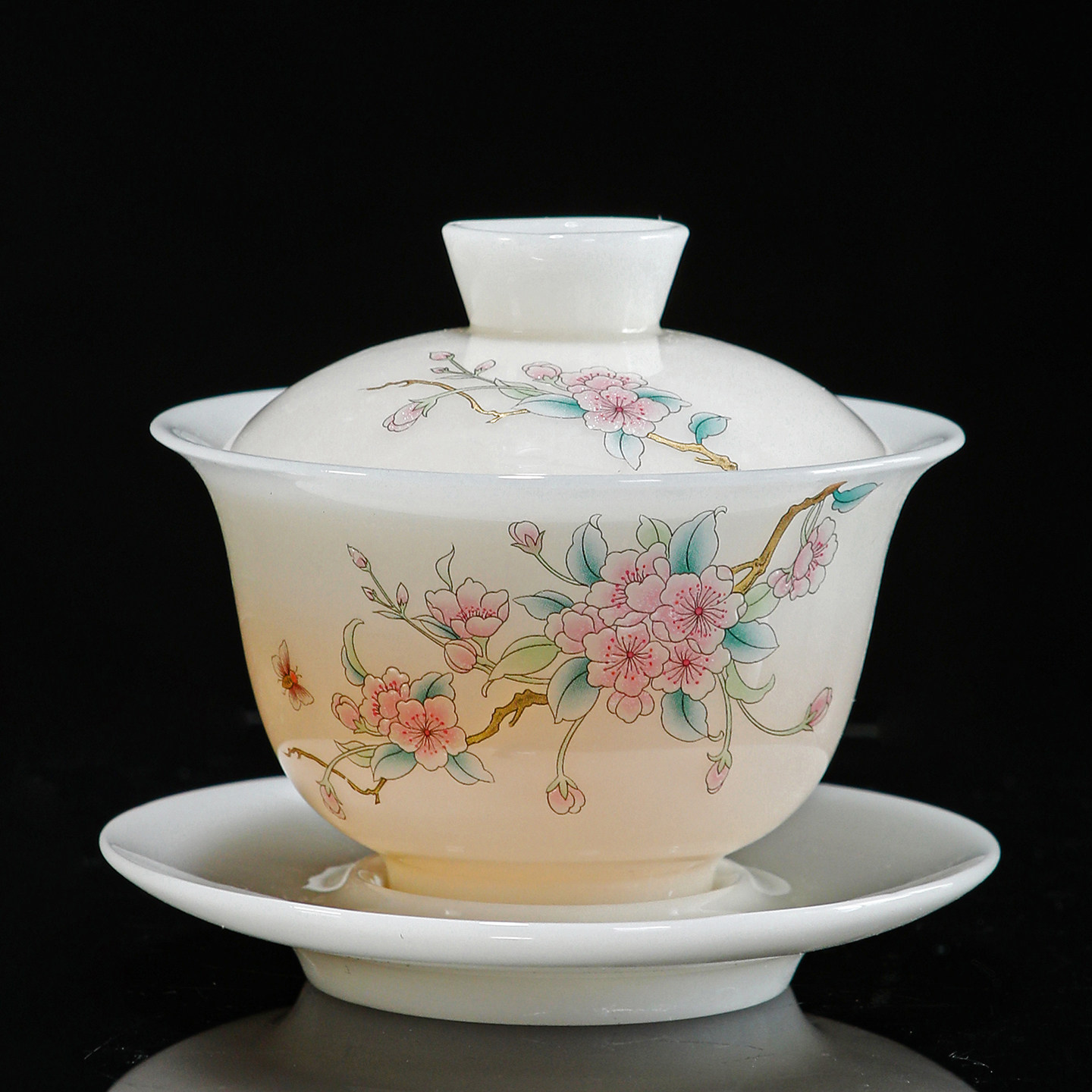
White porcelain Gaiwans and glass teaware have a dense texture and do not absorb flavors. The focus of maintenance is to maintain the smoothness and transparency of their surfaces, avoiding physical damage.
- 去渍技巧: 如果杯壁留有茶渍(茶垢),可以使用少量的牙膏或小苏打,涂抹在软海绵上进行轻柔擦拭,然后用清水冲洗干净即可焕然一新。避免使用钢丝球等硬物刮擦,以免在釉面或玻璃上留下划痕。
- Stain Removal Tips: If tea stains (tea scale) remain on the cup walls, you can use a small amount of toothpaste or baking soda, apply it to a soft sponge for gentle wiping, and then rinse with clean water to make it look brand new. Avoid scrubbing with steel wool or other hard objects to prevent scratching the glaze or glass.
- 防骤冷骤热: 玻璃和薄胎瓷器虽然美观,但对温度变化较为敏感。在冬季或寒冷环境下使用时,建议先用温水预热杯身,再注入沸水,以防炸裂。
- Prevent Thermal Shock: Although glass and thin-body porcelain are beautiful, they are sensitive to temperature changes. When using them in winter or cold environments, it is recommended to preheat the cup body with warm water before pouring in boiling water to prevent cracking.
- 轻拿轻放: 尤其是盖碗的边缘(口沿)通常较薄,使用时需格外小心,避免磕碰。
- Handle with Care: Especially the edges (rims) of Gaiwans are usually thin, so extra care is needed during use to avoid bumps and collisions.
茶盘与茶宠:岁月的包浆
茶盘(无论是木质、竹制还是石材)和茶宠(通常由紫砂或陶土制成)是茶席上最经得起时间考验的物件。
Tea trays (whether wooden, bamboo, or stone) and tea pets (usually made of Zisha or clay) are the objects on the tea setting that stand the test of time best.
- 茶盘的清洁: 茶盘容易积聚茶垢和水垢。每次使用后,应用清水冲洗并用干布擦干,防止水渍残留
Blog: The Complete Book of Yixing: A Progressive Guide from Novice to Master
Blog: Pottery and Leaf Aesthetics: Brewing Guide for Four Major Tea Categories