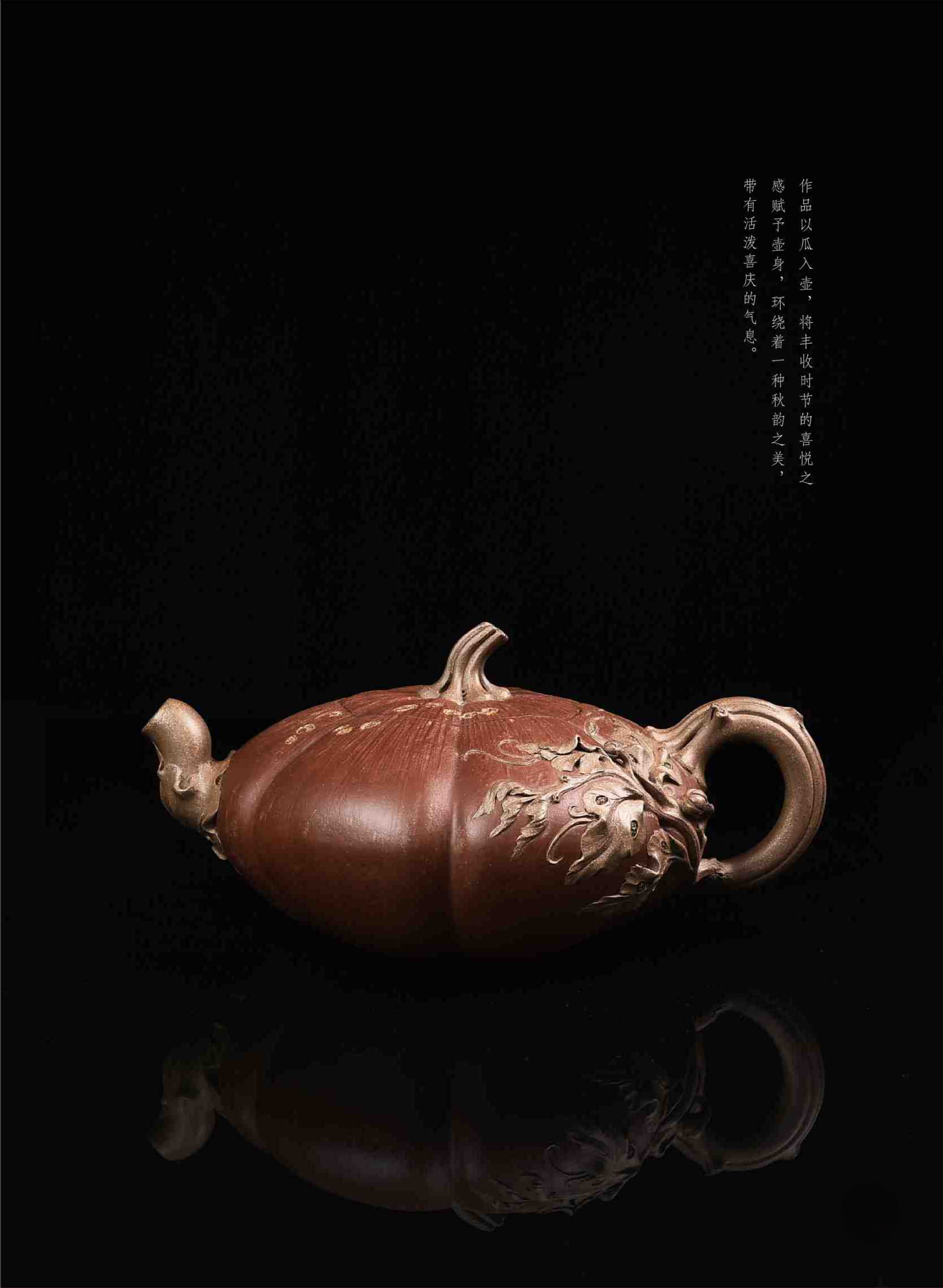
在2026年的今天,当我们谈论中国茶文化时,有一个名字始终无法绕过——宜兴紫砂。它不仅仅是一件茶具,更是中国文人精神的载体,是泥土与火焰交织的史诗。对于海外华人而言,一把紫砂壶是乡愁的寄托;对于世界茶文化爱好者而言,它是通往东方美学的钥匙。
In 2026, when we talk about Chinese tea culture, there is one name that cannot be bypassed—Yixing Zisha. It is not merely a tea utensil, but a carrier of the Chinese literati spirit, an epic of earth and fire. For overseas Chinese, a Zisha pot is a vessel for nostalgia; for world tea culture enthusiasts, it is a key to Oriental aesthetics.
第一章:起源与传说——从书童到宗师
Chapter I: Origins & Legends - From Servant to Master
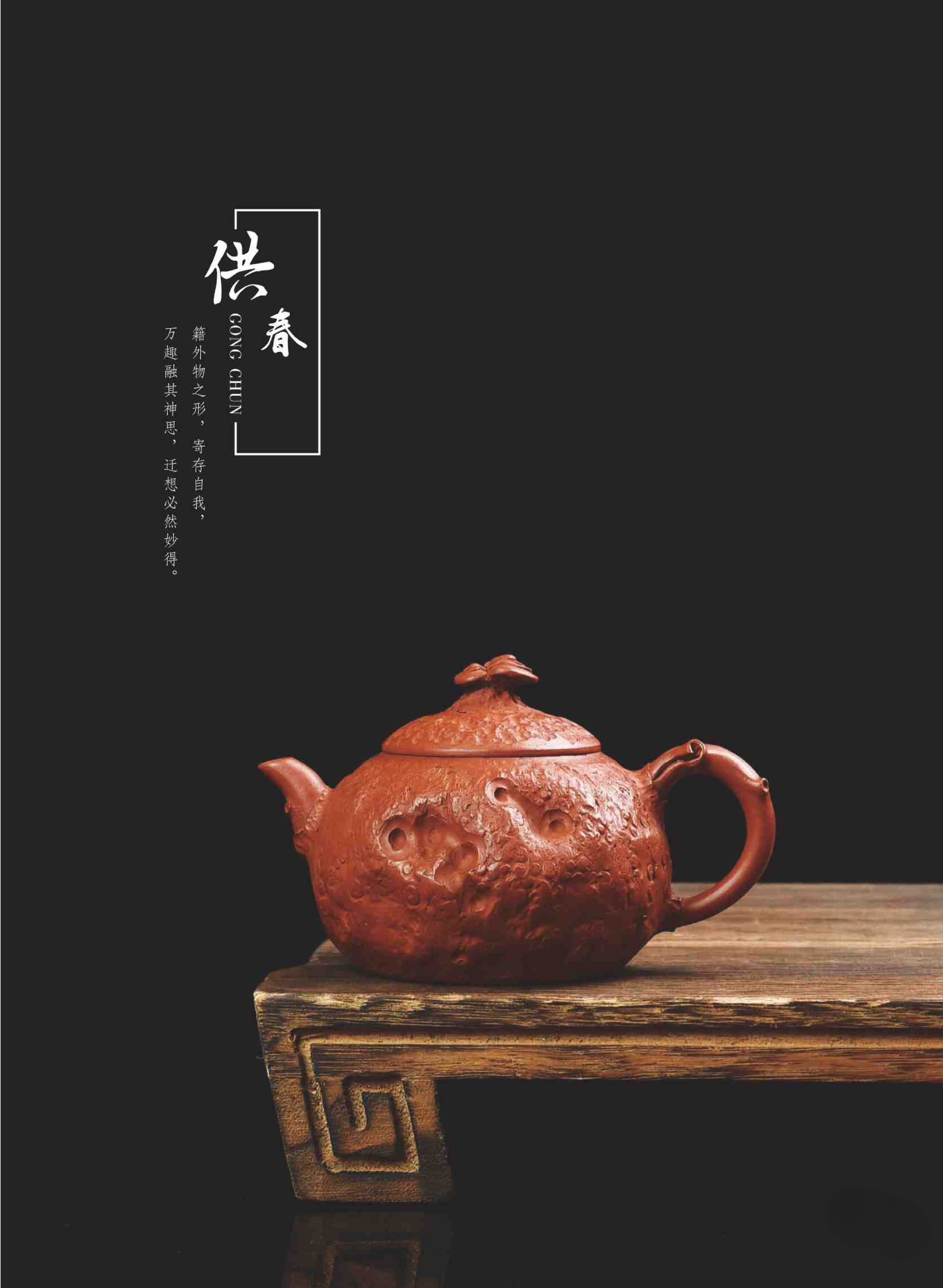
紫砂壶的起源,通常追溯到明代正德年间(16世纪初)。传说中,一位名叫供春的书童,陪伴主人吴颐山在宜兴金沙寺读书。他观察到寺中老僧用当地五色泥土制缸,便灵机一动,模仿古银杏树的树瘤形态,用手捏制了一把茶壶。这把壶“栗色暗暗,如古今铁,敦庞周正”,开创了紫砂壶艺术的先河。虽然真品已失传,但供春作为“紫砂壶鼻祖”的地位,至今无人撼动。
The origin of Zisha teapots is usually traced back to the Zhengde period of the Ming Dynasty (early 16th century). Legend has it that a page named Gongchun was accompanying his master, Wu Yishan, studying at the Jinsha Temple in Yixing. Observing monks making jars from local colored clay, he was inspired. He molded a teapot based on the knotted shape of an ancient ginkgo tree. This pot was described as having a "chestnut-dark color, resembling ancient iron, dignified and perfectly shaped," pioneering the art of Zisha teapots. Although the original is lost, Gongchun's status as the "Father of Zisha" remains unshaken.
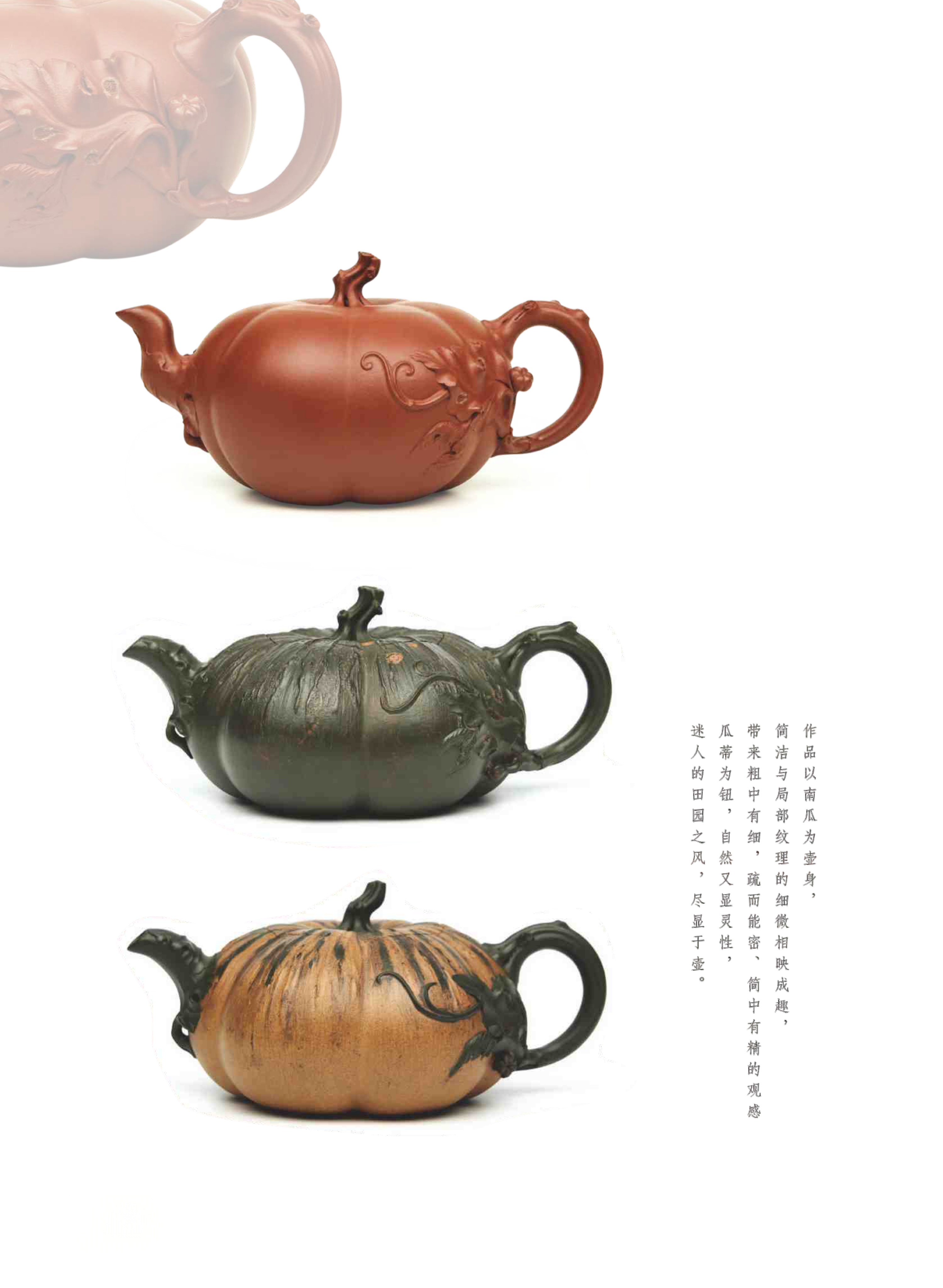
如果说供春是源头,那么顾景舟则是现代紫砂的高峰。作为“壶艺泰斗”,他不仅复刻了供春壶的神韵,更将紫砂艺术推向了极致。在2026年的今天,顾景舟的一件仿品在拍卖会上仍能拍出天价。此外,清代的陈鸣远以自然花器著称,他将生活中的栗子、核桃、花生等造型入壶,使紫砂壶变成了有生命力的雕塑艺术品;而陈曼生则开创了“文人壶”的先河,他与杨彭年合作,将诗词、书画、篆刻融入壶身,著名的“曼生十八式”至今仍是紫砂造型的经典范本。
If Gongchun is the source, then Gu Jingzhou is the peak of modern Zisha. Known as the "Grandmaster of Pottery," he not only replicated the spirit of Gongchun's pots but pushed the art to perfection. In 2026, a replica by Gu Jingzhou can still fetch astronomical prices at auctions. Additionally, Chen Mingyuan of the Qing Dynasty was famous for natural floral ware; he incorporated shapes like chestnuts, walnuts, and peanuts into his pots, turning Zisha teapots into sculptural artworks with vitality. Chen Mansheng pioneered the "Scholar's Pot," collaborating with Yang Pengnian to integrate poetry, calligraphy, painting, and seal carving into the pot's body. The famous "Mansheng Eighteen Styles" remain the classic model for Zisha shapes to this day.
第二章:泥料与工艺——五色土的奥秘
Chapter II: Clay & Craftsmanship - The Secret of the Five-Color Earth
紫砂壶之所以珍贵,核心在于其原料——紫砂泥。这种泥料仅产于宜兴丁蜀镇的黄龙山,被称为“富贵土”。紫砂泥主要分为三种:紫泥是最常见的,稳定性好,适合新手,烧成后呈紫色或紫棕色;朱泥收缩率极高(30%-40%),娇贵难做,但成品色泽红润,声音清脆,是泡高香茶的利器;段泥由紫泥和绿泥共生而成,色泽偏黄或米白,透气性极佳,适合泡浅色茶或生普。
The core value of Zisha lies in its raw material—Zisha Clay. This clay is found only in the Huanglong Mountain of Yixing's Dingshu Town, known as "The Riches and Honor Soil." Zisha clay is mainly divided into three types: Zini (Purple Clay) is the most common, stable, and suitable for beginners, turning purple or purplish-brown after firing; Zhuni (Cinnabar Clay) has an extremely high shrinkage rate (30%-40%), is delicate and difficult to make, but results in a bright red color and crisp sound, making it a powerful tool for brewing high-aroma teas; Duanni (Segmented Clay) is a symbiotic mix of Zini and Luni (Green Clay), yellowish or off-white, with excellent breathability, suitable for light-colored teas or raw Pu'er.
科学发现:紫砂泥含铁量高(最高达8.83%),且具有独特的“双重气孔结构”。这种结构使得紫砂壶透气不透水,既能吸附茶香,又能保持茶汤不走味。
Scientific Fact: Zisha clay is high in iron (up to 8.83%) and has a unique "Double Pore Structure." This structure makes the Zisha teapot breathable yet non-leaking, capable of absorbing tea aroma while keeping the tea flavor intact.
除了泥料,工艺也决定了壶的质感。捂灰是一种还原烧制工艺,通过用碳性物质(如砻糠)包裹壶体,在缺氧环境下烧制,使壶体呈现古朴的黑灰色,且色泽均匀,这种工艺常用于修饰泥料瑕疵或追求特殊审美。调砂则是在泥料中加入粗砂颗粒,这不仅是为了美观(形成梨皮状肌理),更是为了增加坯体的骨架强度,防止大型壶在烧制时变形,同时也增强了壶的透气性。
Besides the clay, the firing technique determines the texture. Wuhui (Smothering Grey) is a reduction firing technique. By wrapping the pot in carbon-rich materials (like rice husks) and firing in a low-oxygen environment, the pot turns into an ancient grey color with uniformity. This technique is often used to modify clay imperfections or pursue a special aesthetic. Tiao Sha (Mixed Sand) involves adding coarse sand grains to the clay. This is not just for aesthetics (creating a pear-skin texture) but also to increase the "skeleton strength" of the body, preventing large pots from deforming during firing, while also enhancing the pot's breathability.
第三章:包浆的奥秘——时间、茶汤与矿物的纳米级共舞
Chapter III: The Mystery of Patina - A Nanoscale Dance of Time, Tea, and Minerals
当我们谈论紫砂壶的“包浆”时,我们往往会被它那如玉般温润、黯然之光所迷倒。但在2026年的今天,我们不再仅仅满足于感性的描述,科学为我们揭开了这层神秘面纱的一角。包浆,绝非简单的茶垢堆积,也不是人为涂抹的油脂,而是一场发生在纳米尺度的物质迁徙与重组。
When we talk about the "patina" of a Zisha teapot, we are often captivated by its jade-like warmth and dim light. But in 2026, we are no longer satisfied with merely perceptual descriptions; science has lifted a corner of this mysterious veil. Patina is by no means a simple accumulation of tea stains, nor is it artificially applied grease. It is a migration and reorganization of matter occurring at the nanoscale.
纳米级的离子长征:铁元素的迁徙
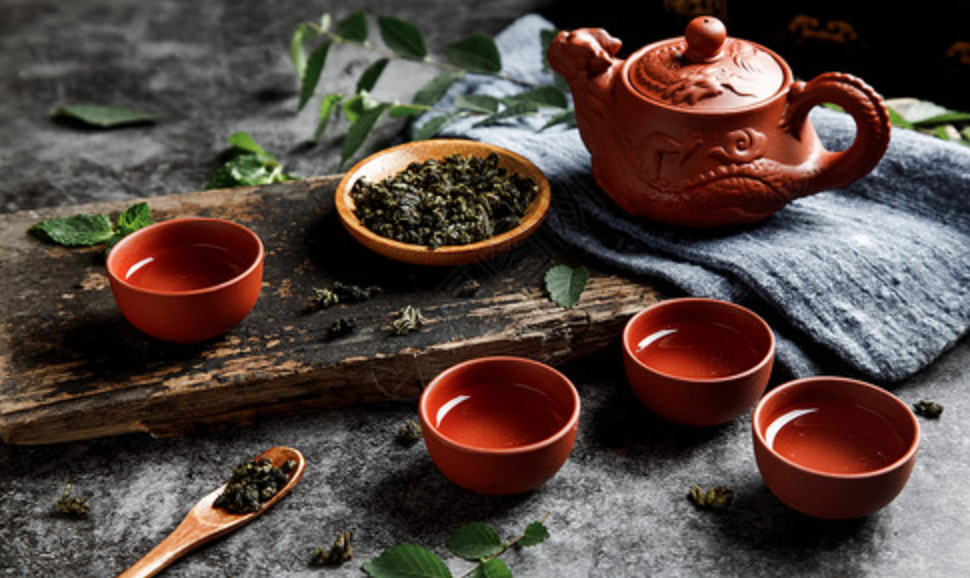
根据最新的同步辐射光源与原子探针层析技术(APT)扫描显示,紫砂壶变色的秘密隐藏在胎体的微观结构中。紫砂泥料富含铁元素,在未泡养之前,铁离子主要富集在胎体表面50纳米的范围内。当滚烫的茶汤接触壶壁的瞬间,一场微观世界的“长征”开始了。茶汤中的酸性物质(如茶多酚)会加速铁离子的溶出,特别是在高温(90℃以上)环境下,离子的扩散系数会提升至常温的17倍。这些溶出的铁离子并非无序扩散,而是沿着紫砂独特的“链式开放气孔”这一纳米级高速公路定向迁移。它们深入胎体内部,形成树状分形结构。随着时间的推移,这些铁离子与茶汤中的有机物质结合,最终在壶体表面及浅表层形成了一个厚度约为150纳米的“三明治结构”包浆层。
The Nanoscale Ion March: The Migration of Iron Elements
According to the latest synchrotron radiation light source and atom probe tomography (APT) scans, the secret of the Zisha teapot's color change lies hidden in the microstructure of the body. Zisha clay is rich in iron elements; before cultivation, iron ions are mainly enriched within the 50-nanometer range of the body's surface. The moment boiling tea soup touches the pot wall, a "Long March" in the microscopic world begins. Acidic substances in the tea soup (such as tea polyphenols) will accelerate the dissolution of iron ions, especially in high-temperature environments (above 90℃), where the diffusion coefficient of ions increases to 17 times that of room temperature. These dissolved iron ions do not diffuse disorderly but migrate directionally along the Zisha's unique "chain-like open pores"—a nanoscale highway. They penetrate deep into the body, forming a dendritic fractal structure. Over time, these iron ions combine with organic substances in the tea soup, eventually forming a "sandwich-structured" patina layer approximately 150 nanometers thick on the surface and shallow subsurface of the pot body.
三明治结构的形成:物质的重组与结晶
高分辨率透射电镜(HRTEM)揭示了这层包浆的精妙构造,它由三层不同的物质组成,宛如大自然的精密建筑:上层(20-30nm):主要由茶多酚聚合物网络构成,这是茶汤氧化后的产物,赋予了包浆深沉的色泽。中层(70-80nm):这是核心层,由Fe³⁺(三价铁离子)与儿茶素形成的络合物晶体构成。这种晶体结构稳定,光泽内敛,是包浆呈现“玉质感”的关键。下层(40-50nm):由α-FeOOH(针铁矿)纳米棒阵列组成,它们像锚一样深深扎入壶体,将包浆层牢固地固定在紫砂胎体上。
The Formation of the Sandwich Structure: Reorganization and Crystallization of Matter
High-resolution transmission electron microscopy (HRTEM) reveals the exquisite construction of this patina layer, which consists of three layers of different substances, much like nature's precision architecture: Upper Layer (20-30nm): Mainly composed of a tea polyphenol polymer network, the product of tea soup oxidation, giving the patina its deep color. Middle Layer (70-80nm): This is the core layer, composed of complex crystals formed by Fe³⁺ (ferric ions) and catechins. This crystal structure is stable, with an introverted luster, and is the key to the patina's "jade-like texture." Lower Layer (40-50nm): Composed of an array of α-FeOOH (goethite) nanorods, which anchor deeply into the pot body like anchors, firmly fixing the patina layer to the Zisha body.
物理抛光与化学氧化的协奏曲
除了微观的物质迁移,宏观的物理与化学作用也是包浆形成不可或缺的一环。紫砂壶独特的双气孔结构(开放气孔与闭口气孔并存)使其具有极佳的吸附性。每一次冲泡,茶汤中的脂溶性物质(茶油、茶多酚)在热力驱动下渗入气孔。而在干燥过程中,这些物质与空气中的氧气发生缓慢的氧化聚合反应,颜色逐渐加深,趋向红褐。与此同时,茶人日常的摩挲与擦拭起到了物理抛光的作用。这种轻柔的摩擦抚平了壶体表面的微小凸起,减少了光线的漫反射,增加了镜面反射,从而提升了光泽感。更重要的是,摩擦产生的微热促进了表层物质分子的重新排列,使其趋向更致密、更有序的结构,最终形成了那层致密、光滑、温润如玉的“皮壳”。
The Concerto of Physical Polishing and Chemical Oxidation
In addition to microscopic matter migration, macroscopic physical and chemical actions are also indispensable links in the formation of patina. The Zisha teapot's unique double-pore structure (coexistence of open and closed pores) gives it excellent adsorption properties. With each brewing, liposoluble substances in the tea soup (tea oil, tea polyphenols) penetrate the pores driven by heat. During the drying process, these substances undergo a slow oxidation polymerization reaction with oxygen in the air, gradually deepening in color and trending towards reddish-brown. At the same time, the daily rubbing and wiping by the tea master play a role in physical polishing. This gentle friction smooths out the tiny protrusions on the pot's surface, reduces diffuse reflection of light, increases specular reflection, and thereby enhances the sense of luster. More importantly, the slight heat generated by friction promotes the rearrangement of surface substance molecules, making them trend towards a denser, more ordered structure, ultimately forming that dense, smooth, jade-like "crust."
时间的试金石:真包浆与假做旧
理解了包浆的形成原理,我们便能一眼识破市场上的“假包浆”。人工做旧(如鞋油涂抹、强酸腐蚀、茶水久煮)只能模仿包浆的表象,却无法复制其微观结构。假包浆往往浮于表面,光泽刺眼(贼光),且伴有异味。而真正的自然包浆,是铁离子穿越百米岩层与茶多酚缔结的永恒之约,它深入肌理,温润含蓄,是时间赋予紫砂壶最昂贵的成本,也是其灵魂所在。
The Touchstone of Time: Real Patina vs. Fake Aging
Understanding the formation principle of patina allows us to see through the "fake patina" in the market at a glance. Artificial aging (such as shoe polish application, strong acid corrosion, or long-term tea boiling) can only imitate the appearance of patina but cannot replicate its microscopic structure. Fake patina often floats on the surface, has a glaring luster ("thief light"), and is accompanied by an unpleasant odor. Real natural patina, however, is an eternal pact between iron ions traversing hundred-meter rock layers and tea polyphenols. It penetrates the texture, is warm and implicit, representing the most expensive cost time bestows upon a Zisha teapot and the essence of its soul.
第四章:实用价值与美学——为什么它是“泡茶神器”?
Chapter IV: Function & Aesthetics - Why is it the "Ultimate Tea Brewing Tool"?
对于茶人来说,紫砂壶不仅是艺术品,更是实用器。独特的双重气孔结构,让茶壶既透气又不漏水,这使得茶汤“夏天越宿不馊”,即使隔夜也不易变质。紫砂壶“不夺茶香,又无熟汤气”,它能很好地保留茶叶的色、香、味,特别是对于陈年普洱、黑茶或重发酵的乌龙茶,紫砂能吸附杂味,提升口感,使茶汤更加醇厚顺滑。此外,它的热传导系数适中,既不烫手,又能保温,且不怕骤冷骤热,冬天直接注入沸水也不会炸裂。
For tea drinkers, a Zisha pot is not just art, but a practical tool. The unique double-pore structure allows breathability without leakage, which keeps tea fresh even overnight in summer, making it resistant to spoilage. Zisha "does not steal the tea aroma, nor does it have a cooked taste." It retains the color, aroma, and taste of tea perfectly. Especially for aged Pu'er, dark tea, or heavily fermented oolong, Zisha absorbs impurities and enhances the flavor, making the tea soup more mellow and smooth. Additionally, its thermal conductivity is moderate, neither burning hands nor losing heat quickly, and it is resistant to sudden temperature changes; pouring boiling water into it in winter will not cause it to crack.
紫砂壶的造型主要分为三大流派:
光货是几何形体,讲究线条和块面,如圆壶、方壶,体现了“大道至简”的哲学,代表人物有时大彬;
花货是自然形体,模仿松、竹、梅、瓜果等自然形态,供春壶就是最早的花货,清代陈鸣远将其推向高峰;
筋纹器则是将花瓣或瓜棱的纹理规则化,讲究口盖的严密契合,如菱花壶,体现了工匠的精湛技艺。
Zisha pots are mainly divided into three schools:
Guanghuo (Smooth Ware) features geometric shapes, focusing on lines and planes (spheres, cubes), embodying the philosophy of "Great Truth is Simple," with Shi Dabin as a representative;
Huahuo (Floral Ware) features natural shapes, imitating pines, bamboos, plums, or melons, with the Gongchun pot being the earliest Huahuo, and Chen Mingyuan of the Qing Dynasty pushing it to its peak;
Jinwenqi (Ribbed Ware) features rule-based textures of petals or melon ribs, focusing on the precise fit of the lid, such as the Lotus pot, showcasing the exquisite craftsmanship of the artisans.
第五章:养壶指南——养壶如养心
Chapter V: Pot Maintenance - Cultivating the Pot like Cultivating the Mind
在2026年的今天,我们养壶,其实是在繁忙的生活中寻找一份宁静。养壶不仅是器物的维护,更是一场关于耐心的修行。当滚烫的茶汤注入壶中,紫砂独特的双重气孔结构开始呼吸,吸附茶香,释放光泽。这个过程急不得,正如人生,需要时间的沉淀。
In 2026, maintaining a pot is about finding peace in a busy life. Cultivating a pot is not merely the maintenance of an object, but a spiritual practice of patience. When boiling tea soup is poured into the pot, the Zisha's unique double-pore structure begins to breathe, absorbing tea aroma and releasing luster. This process cannot be rushed, just like life, which requires the settling of time.
开壶仪式:唤醒沉睡的灵魂
开壶是唤醒新壶的第一步,也是确立壶与茶关系的奠基礼。新壶入手,表面往往带有少许窑尘和土味,且火气较重。先用温水配合软毛刷轻轻洗净壶身,去除窑尘。接着,将壶放入无油的洁净锅中,加入清水和一块老豆腐,文火慢煮一小时。豆腐的多孔结构能有效吸附壶内的杂质与火气,使壶体更加洁净。
The Awakening Ritual: Waking the Sleeping Soul
Awakening the pot is the first step to waking a new pot, and the foundational ceremony establishing the relationship between the pot and the tea. When a new pot arrives, its surface often carries a bit of kiln dust and earthy smell, and the "fire energy" is relatively heavy. First, use warm water and a soft brush to gently wash the pot body, removing the kiln dust. Next, place the pot in a clean, oil-free pot, add clear water and a piece of old tofu, and simmer for an hour. The porous structure of the tofu can effectively absorb impurities and fire energy within the pot, making the body cleaner.
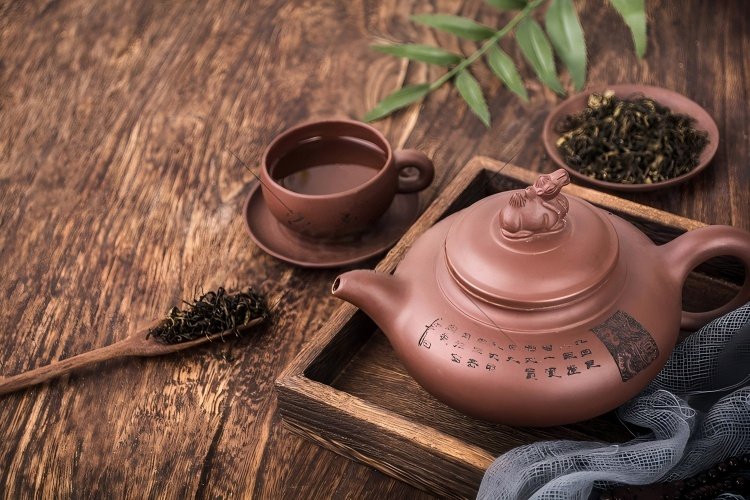
最后一步是“定味”。倒掉豆腐水,在壶内放入你未来打算长期冲泡的茶叶(如普洱或岩茶),注入沸水,文火再煮一小时。这一步是为了让紫砂的气孔吸饱茶汤,完成“开光”仪式,使壶与茶从此结下不解之缘。煮好后,倒出茶汤,用热水淋洗壶身,自然晾干,你的爱壶便正式准备好迎接它的第一泡香茗了。
The final step is "setting the flavor." Discard the tofu water, place the tea you intend to brew long-term (such as Pu'er or Rock Tea) inside the pot, pour in boiling water, and simmer for another hour. This step allows the Zisha pores to soak up the tea soup, completing the "opening" ritual, so the pot and tea form an inseparable bond from then on. After cooking, pour out the tea soup, rinse the pot body with hot water, let it dry naturally, and your beloved pot is officially ready to welcome its first brew of fragrant tea.
日常养护:一壶一茶的专一承诺
日常养护需要遵循三个原则,其中最重要的是“一壶一茶”。紫砂壶具有极强的吸附性,能够吸收茶的香气和味道。为了保持茶味的纯正,切忌混泡不同香型的茶。例如,泡过熟普洱的壶,如果直接用来泡绿茶,会使得绿茶的清香被普洱的陈味掩盖,导致“串味”。因此,请为你的每一把壶指定一种专属的茶叶,让它在岁月中沉淀出独一无二的韵味。
Daily Maintenance: The Monogamous Commitment of One Pot, One Tea
Daily maintenance requires following three principles, the most important of which is "One Pot, One Tea." Zisha teapots possess extremely strong adsorption properties, capable of absorbing tea aroma and flavor. To maintain the purity of the tea taste, never mix different types of tea. For example, a pot used for ripe Pu'er, if used directly to brew green tea, will have the green tea's fresh aroma masked by the Pu'er's aged flavor, leading to "flavor mixing." Therefore, please designate a specific tea for each of your pots, allowing it to precipitate a unique charm over the years.
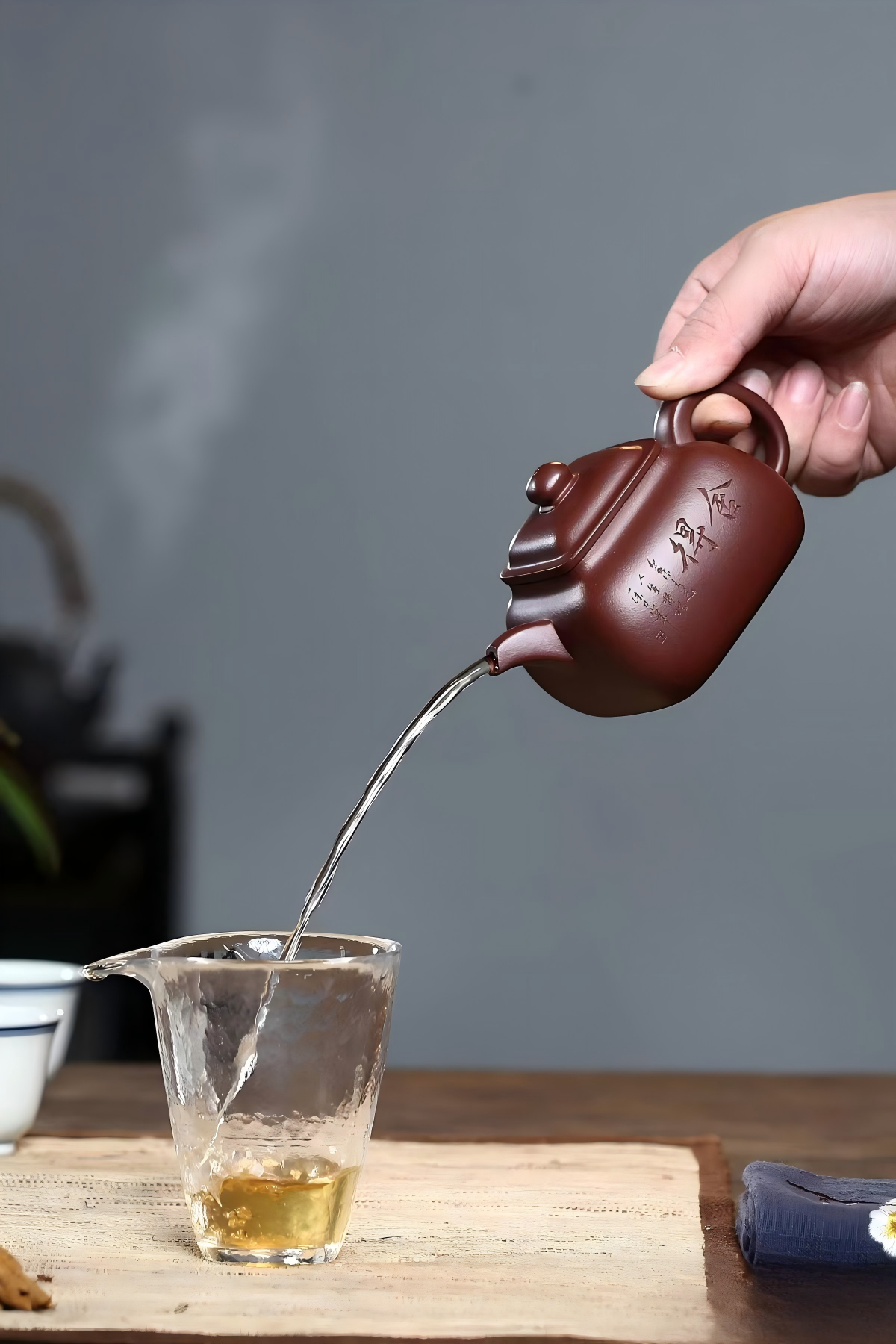
其次是保持清洁。每次泡完茶,必须及时倒掉茶渣,切勿让茶渣在壶内过夜,以免产生霉菌和异味。用沸水冲洗壶内和壶外,利用茶汤的余热滋养壶身,然后用柔软的茶巾轻轻擦拭壶表,使其光泽均匀。切记,绝对不能用洗洁精、肥皂或其他化学清洁剂清洗紫砂壶,因为这些化学物质会堵塞紫砂的气孔,破坏其透气性,导致壶“死”去,失去泡茶的灵性。
Secondly is keeping it clean. After every brewing session, you must promptly discard the tea leaves; never let them stay in the pot overnight to avoid mold and unpleasant odors. Rinse the inside and outside of the pot with boiling water, using the residual heat of the tea soup to nourish the body, then gently wipe the pot surface with a soft tea towel to ensure uniform luster. Remember, never use detergent, soap, or other chemical cleaners to wash a Zisha teapot, as these chemicals will clog the pores of the Zisha, destroying its breathability, causing the pot to "die" and lose the spiritual quality of brewing tea.
最后是闲置与存放。若长时间不用,请将壶彻底洗净晾干,置于通风处。紫砂壶是有生命的,它需要“呼吸”。切勿将其密封在塑料袋或密闭的锦盒中,潮湿的环境容易导致壶体发霉。正确的做法是将壶倒扣在茶盘上,或者放置在透气的博古架上,让壶内的水分完全挥发,保持干爽。
Finally, there is storage when idle. If not used for a long time, wash the pot thoroughly and let it dry, then place it in a ventilated area. Zisha teapots are alive; they need to "breathe." Never seal them in plastic bags or closed brocade boxes, as a humid environment can easily cause the pot body to mold. The correct method is to place the pot upside down on a tea tray, or on a breathable antique shelf, allowing the moisture inside the pot to fully evaporate and keeping it dry.
第六章:泥料殊途——不同泥料的养壶之道
Chapter VI: Distinct Paths of Clay - The Way of Pot Cultivation for Different Clays
紫砂泥料并非千篇一律,不同的矿料赋予了壶不同的性格。在2026年的茶席上,懂得根据泥料特性来调整养护方式,是进阶茶人的必修课。紫泥的沉稳、朱泥的娇贵、段泥的清雅,它们对茶汤的反馈各不相同,养出的包浆也各有千秋。
Zisha clay is not monolithic; different mineral sources endow the pots with distinct personalities. On the tea table of 2026, knowing how to adjust maintenance methods according to the characteristics of the clay is a required course for advanced tea people. The steadiness of Zini, the delicacy of Zhuni, and the elegance of Duanni—they respond differently to tea soup, and the patina they cultivate also has its own unique features.
紫泥:沉稳厚重的包容者
紫泥是紫砂中最常见的泥料,也是新手的最佳选择。它的结构相对疏松,气孔率适中,透气性极佳。在养壶过程中,紫泥表现出极强的包容性,它不挑剔茶叶,无论是普洱熟茶的陈香,还是乌龙茶的韵致,都能被它温柔地接纳。
Zini (Purple Clay): The Steady and Tolerant Guardian
Zini is the most common clay in Zisha and the best choice for beginners. Its structure is relatively loose, with moderate porosity and excellent breathability. During the pot cultivation process, Zini shows extreme tolerance; it is not picky about tea leaves. Whether it is the aged aroma of ripe Pu'er or the charm of Oolong tea, it can be gently accepted by it.
养护重点:紫泥壶的变色过程较为明显,随着使用时间的推移,壶身颜色会逐渐加深,呈现出一种黯肝色或古铜色。养护时,只需坚持“一壶一茶”,每次用沸水冲淋,利用茶汤滋养即可。由于紫泥质地稳定,不易产生裂纹,它是最适合“粗养”的泥料,越用越显古朴。
Maintenance Focus: The color change process of a Zini pot is quite obvious. As time goes on, the color of the pot body will gradually deepen, presenting a dark liver color or bronze color. For maintenance, simply adhere to "One Pot, One Tea," rinse with boiling water each time, and nourish it with tea soup. Due to its stable texture and resistance to cracking, Zini is the clay most suitable for "rough maintenance," becoming more antique the more it is used.
朱泥:
娇嫩红润的“红颜”。朱泥含铁量极高,收缩比大,烧制难度高,因此成品往往质地紧密,结晶度高。它就像一位娇贵的“红颜”,声音清脆,色泽红润,但脾气也较为“娇气”。朱泥壶的透气性略逊于紫泥,但聚热扬香的能力极强,是高香型乌龙茶(如铁观音、单丛)的绝配。
Zhuni (Cinnabar Clay): The Delicate and Rosy Beauty.Zhuni has an extremely high iron content and a large shrinkage ratio, making it difficult to fire. Therefore, the finished product often has a dense texture and high crystallinity. It is like a delicate "beauty," with a crisp sound and rosy color, but also a somewhat "delicate" temperament. A Zhuni pot's breathability is slightly inferior to Zini, but its ability to gather heat and enhance aroma is extremely strong, making it a perfect match for high-aroma Oolong teas (such as Tieguanyin and Dancong).
养护重点:
朱泥壶最忌讳“惊破”(热胀冷缩导致的裂纹)。特别是在冬季或气温较低时,使用前必须用温水温壶,切不可直接注入沸水。在养壶过程中,朱泥的变化非常快,往往几泡之后就能感觉到色泽的润泽。由于它容易吸附茶油,包浆后会呈现出如玉般的质感,红润可人。切记,朱泥壶不宜长时间浸泡在浓茶中,以免表面产生“花斑”。
Maintenance Focus: The biggest taboo for a Zhuni pot is "thermal shock" (cracks caused by thermal expansion and contraction). Especially in winter or when the temperature is low, you must warm the pot with warm water before use; never pour boiling water directly into it. During the pot cultivation process, Zhuni changes very quickly; often after just a few brews, you can feel the luster of the color. Since it easily absorbs tea oil, after patina formation, it will present a jade-like texture, rosy and lovely. Remember, a Zhuni pot should not be soaked in strong tea for a long time to avoid "mottling" on the surface.
段泥:清雅透气的“君子”
段泥是由紫泥和绿泥共生而成的,色泽偏黄、米白或青灰,颗粒感强,透气性是三种泥料中最好的。它就像一位清雅的“君子”,性格高洁,但也因此容易“藏污纳垢”。段泥壶最适合冲泡汤色较浅的茶,如绿茶、生普洱、白茶或轻发酵乌龙茶。
Duanni (Segmented Clay): The Elegant and Breathable Gentleman
Duanni is formed by the symbiosis of Zini and Luni (Green Clay). Its color tends to be yellow, off-white, or cyan-grey, with strong graininess and the best breathability among the three clays. It is like an elegant "gentleman" with a noble character, but because of this, it is also prone to "hiding dirt." A Duanni pot is most suitable for brewing teas with a light soup color, such as green tea, raw Pu'er, white tea, or lightly fermented Oolong tea.
养护重点:段泥养护最大的挑战是“吐黑”。由于段泥气孔大且颜色浅,如果长期冲泡深色茶汤(如熟普洱、红茶),茶渍容易渗入气孔并在壶表形成不均匀的黑斑,这就是“吐黑”。虽然这不影响使用,但影响美观。因此,养段泥壶要勤泡勤洗,每次用完务必彻底清理,不要让深色茶汤在壶内停留过久。如果不小心“吐黑”,可以将壶洗净后,用稀释的漂白水或双氧水浸泡(需谨慎操作),或者通过长时间泡养浅色茶来慢慢淡化。
Maintenance Focus: The biggest challenge in maintaining Duanni is "spitting black." Because Duanni has large pores and a light color, if it is used to brew dark-colored tea soup (such as ripe Pu'er or black tea) for a long time, tea stains easily penetrate the pores and form uneven black spots on the pot surface, which is called "spitting black." Although this does not affect usage, it affects aesthetics. Therefore, when maintaining a Duanni pot, brew and wash frequently. After each use, be sure to clean it thoroughly and do not let dark tea soup stay in the pot for too long. If it accidentally "spits black," you can wash the pot and soak it in diluted bleach or hydrogen peroxide (operate with caution), or slowly fade it by brewing light-colored tea for a long time.
第七章:养壶解惑——打破迷思与科学养护
Chapter VII: Pot Maintenance Q&A - Dispelling Myths and Scientific Care
在养壶的旅途中,无论是初入茶门的爱好者,还是浸淫多年的老茶客,难免会遇到困惑与误区。在2026年的今天,我们不仅要知其然,更要知其所以然。这一章,我们将解答那些最常被问到的问题,用科学与经验为你拨开迷雾,让养壶之路更加顺畅。
On the journey of pot maintenance, whether you are a beginner in the world of tea or a seasoned veteran, you are bound to encounter confusion and misconceptions. In 2026, we not only want to know "what" to do, but also "why." In this chapter, we will answer the most frequently asked questions, using science and experience to clear the fog for you, making your path of pot cultivation smoother.
关于“一壶一茶”的迷思
问:我真的必须严格遵守“一壶一茶”吗?如果不小心混泡了怎么办?
答:虽然“一壶一茶”是养壶的黄金法则,但它并非不可打破的铁律,特别是对于新手而言。紫砂壶确实会吸附茶香,但如果你只有一把壶,或者不想过于麻烦,只要每次使用后彻底清洁(用沸水冲洗内外),混泡不同茶类也是可以接受的。
答:虽然“一壶一茶”是养壶的黄金法则,但它并非不可打破的铁律,特别是对于新手而言。紫砂壶确实会吸附茶香,但如果你只有一把壶,或者不想过于麻烦,只要每次使用后彻底清洁(用沸水冲洗内外),混泡不同茶类也是可以接受的。
然而,对于追求极致口感的老茶客来说,区分是必要的。特别是当“重口味”的熟普洱遇上“小清新”的绿茶,或者高香的铁观音遇上陈年老岩茶,串味几乎是不可避免的。如果你不小心混泡了,不必惊慌。最简单的补救方法是:将壶洗净后,用你打算以后主要泡的那种茶叶,加水煮沸20分钟,然后自然晾干。重复两三次,壶内的杂味就会被新的茶香“覆盖”和置换。
The Myth of "One Pot, One Tea"
Q: Do I really have to strictly follow "One Pot, One Tea"? What if I accidentally mix teas?
A: While "One Pot, One Tea" is the golden rule of pot maintenance, it is not an unbreakable iron law, especially for beginners. Zisha pots do absorb tea aroma, but if you only have one pot or do not want too much trouble, mixing different types of tea is acceptable as long as you clean it thoroughly after each use (rinse inside and out with boiling water).
A: While "One Pot, One Tea" is the golden rule of pot maintenance, it is not an unbreakable iron law, especially for beginners. Zisha pots do absorb tea aroma, but if you only have one pot or do not want too much trouble, mixing different types of tea is acceptable as long as you clean it thoroughly after each use (rinse inside and out with boiling water).
However, for old tea drinkers who pursue the ultimate taste, distinction is necessary. Especially when "heavy-flavored" ripe Pu'er meets "light and fresh" green tea, or high-aroma Tieguanyin meets aged Rock Tea, flavor mixing is almost inevitable. If you accidentally mix them, do not panic. The simplest remedy is: after washing the pot, boil it with water and the tea you intend to brew mainly in the future for 20 minutes, then let it dry naturally. Repeat this two or three times, and the miscellaneous flavors in the pot will be "covered" and replaced by the new tea aroma.
关于“包浆”的急功近利
问:为什么我的壶养了很久还是没有包浆?能不能用浓茶煮壶来加速?
答:养壶最忌讳的就是“急”。真正的包浆是时间、茶汤与矿物质在纳米层面缓慢反应的结果,绝非一日之功。有些人为了追求速成,用浓茶长时间浸泡壶身,甚至涂抹茶油、鞋油,这其实是“毁壶”行为。
答:养壶最忌讳的就是“急”。真正的包浆是时间、茶汤与矿物质在纳米层面缓慢反应的结果,绝非一日之功。有些人为了追求速成,用浓茶长时间浸泡壶身,甚至涂抹茶油、鞋油,这其实是“毁壶”行为。
这种做法形成的“包浆”是虚假的,被称为“贼光”。它浮于表面,油腻且堵塞气孔,不仅破坏了紫砂的透气性,还会让壶产生难闻的异味。真正的美壶,其光泽是内敛的、温润的,像玉一样。请记住,养壶的过程就是修心的过程,与其焦虑壶何时变亮,不如享受每一次注水、出汤的当下。
The Impatience for "Patina"
Q: Why has my pot been cultivated for so long but still has no patina? Can I boil the pot with strong tea to speed it up?
A: The most taboo thing in pot maintenance is "haste." True patina is the result of a slow reaction between time, tea soup, and minerals at the nanoscale, and is by no means the work of a single day. Some people, in pursuit of quick success, soak the pot body in strong tea for a long time, or even apply tea oil or shoe polish. This is actually "pot destruction" behavior.
A: The most taboo thing in pot maintenance is "haste." True patina is the result of a slow reaction between time, tea soup, and minerals at the nanoscale, and is by no means the work of a single day. Some people, in pursuit of quick success, soak the pot body in strong tea for a long time, or even apply tea oil or shoe polish. This is actually "pot destruction" behavior.
The "patina" formed by this method is false, known as "thief light." It floats on the surface, is greasy, and clogs the pores. It not only destroys the breathability of the Zisha but also gives the pot an unpleasant odor. A truly beautiful pot has a luster that is introverted and warm, like jade. Please remember, the process of cultivating a pot is a process of cultivating the mind. Rather than worrying about when the pot will become bright, enjoy the present moment of every water pouring and tea decanting.
关于清洁与异味
问:壶里长了霉斑或者有了异味,还能救回来吗?
答:紫砂壶如果存放不当(如未干透就盖盖),确实容易发霉。如果霉味较轻,你可以尝试“去味三部曲”:首先,用沸水反复冲洗壶内外;其次,将壶放入清水中煮沸20分钟,利用高温杀菌;最后,放入茶叶再次煮沸,让茶香吸附异味。
答:紫砂壶如果存放不当(如未干透就盖盖),确实容易发霉。如果霉味较轻,你可以尝试“去味三部曲”:首先,用沸水反复冲洗壶内外;其次,将壶放入清水中煮沸20分钟,利用高温杀菌;最后,放入茶叶再次煮沸,让茶香吸附异味。
如果霉味非常严重,或者壶内沾染了油污(如洗洁精味),处理起来会比较棘手。此时可以使用小苏打或牙膏(极少量)轻轻擦拭霉斑处,然后彻底冲洗干净。但必须诚实地告诉你,一旦化学清洁剂渗入气孔,这把壶作为“泡茶神器”的使命可能就此终结,它或许只能作为一件摆件存在了。
Cleaning and Unpleasant Odors
Q: If mold or unpleasant odors grow inside the pot, can it be saved?
A: If a Zisha pot is stored improperly (e.g., covered before drying thoroughly), it is indeed prone to mold. If the mold smell is mild, you can try the "Three-Step Deodorizing Method": First, rinse the inside and outside of the pot repeatedly with boiling water; Second, boil the pot in clear water for 20 minutes to sterilize it with high temperature; Finally, put in tea leaves and boil again to let the tea aroma adsorb the unpleasant smell.
A: If a Zisha pot is stored improperly (e.g., covered before drying thoroughly), it is indeed prone to mold. If the mold smell is mild, you can try the "Three-Step Deodorizing Method": First, rinse the inside and outside of the pot repeatedly with boiling water; Second, boil the pot in clear water for 20 minutes to sterilize it with high temperature; Finally, put in tea leaves and boil again to let the tea aroma adsorb the unpleasant smell.
If the mold smell is very severe, or the pot is contaminated with grease (like detergent smell), it will be tricky to handle. At this point, you can use baking soda or a tiny amount of toothpaste to gently wipe the moldy area, then rinse thoroughly. But I must honestly tell you, once chemical cleaners penetrate the pores, the pot's mission as a "tea brewing artifact" may be over, and it may only exist as a display piece.
关于“茶山”与卫生
问:老一辈人说壶里要留茶渣,养出“茶山”才算好壶,这是真的吗?
答:这是一个流传已久的误区。古人所说的“茶山”,是指长期使用后,茶油渗入壶壁形成的自然包浆,而非堆积在壶内的茶垢。
答:这是一个流传已久的误区。古人所说的“茶山”,是指长期使用后,茶油渗入壶壁形成的自然包浆,而非堆积在壶内的茶垢。
在现代卫生观念下,刻意保留茶渣在壶内过夜,甚至数天不洗,是极不卫生的。茶渣在潮湿温暖的环境中会迅速滋生细菌和霉菌,这些微生物不仅会产生酸馊味,还会随着茶汤进入你的身体。真正的养壶,是养壶壁之“肉”,而非养壶内之“垢”。每次喝完茶,请务必倒掉茶渣,洗净晾干,这才是对爱壶最好的呵护。
The "Tea Mountain" and Hygiene
Q: The older generation says tea leaves should be left in the pot to cultivate a "Tea Mountain." Is this true?
A: This is a long-standing misconception. The "Tea Mountain" spoken of by the ancients refers to the natural patina formed by tea oil penetrating the pot walls after long-term use, not the tea stains accumulated inside the pot.
A: This is a long-standing misconception. The "Tea Mountain" spoken of by the ancients refers to the natural patina formed by tea oil penetrating the pot walls after long-term use, not the tea stains accumulated inside the pot.
Under modern hygiene concepts, deliberately leaving tea dregs in the pot overnight, or even not washing it for days, is extremely unhygienic. Tea dregs will rapidly breed bacteria and mold in a humid and warm environment. These microorganisms not only produce a sour smell but also enter your body with the tea soup. True pot maintenance is about cultivating the "flesh" of the pot wall, not the "filth" inside the pot. After drinking tea each time, be sure to discard the tea dregs, wash, and let it dry. This is the best care for your beloved pot.
关于壶的“休息”
问:紫砂壶需要“休息”吗?可以连续每天都用吗?
答:是的,紫砂壶也需要休息。虽然它是器物,但它具有吸附性,就像海绵吸水一样。如果连续高频率使用,气孔内会积聚过多的水分和茶物质,导致透气性下降,甚至产生“闷味”。
答:是的,紫砂壶也需要休息。虽然它是器物,但它具有吸附性,就像海绵吸水一样。如果连续高频率使用,气孔内会积聚过多的水分和茶物质,导致透气性下降,甚至产生“闷味”。
建议每连续使用3-5天后,让壶“休息”一两天。在这期间,彻底清洗壶身,倒置晾干,不要盖盖子,让气孔内的水分充分挥发,恢复其“呼吸”能力。这种张弛有度的使用方式,不仅能让壶保持最佳状态,也能让你在忙碌的茶事中找到片刻的停顿。
The Pot's "Rest"
Q: Does a Zisha pot need to "rest"? Can I use it continuously every day?
A: Yes, Zisha pots also need to rest. Although it is an object, it has adsorption properties, just like a sponge absorbing water. If used continuously with high frequency, excessive moisture and tea substances will accumulate in the pores, leading to a decline in breathability and even a "stuffy smell."
A: Yes, Zisha pots also need to rest. Although it is an object, it has adsorption properties, just like a sponge absorbing water. If used continuously with high frequency, excessive moisture and tea substances will accumulate in the pores, leading to a decline in breathability and even a "stuffy smell."
It is recommended to let the pot "rest" for a day or two after using it continuously for 3-5 days. During this period, thoroughly wash the pot body, let it dry upside down without the lid, allowing the moisture in the pores to fully evaporate and restore its "breathing" ability. This balanced way of use not only keeps the pot in top condition but also allows you to find a moment of pause in the busy tea affairs.
久而久之,壶身会泛出黯然之光,这便是“包浆”,是时间与茶汤共同赋予的温润质感,也是养壶者心性的见证。
Over time, the pot body will emit a dim light—this is the "patina," a warm texture bestowed by time and tea soup, and a witness to the character of the pot cultivator.