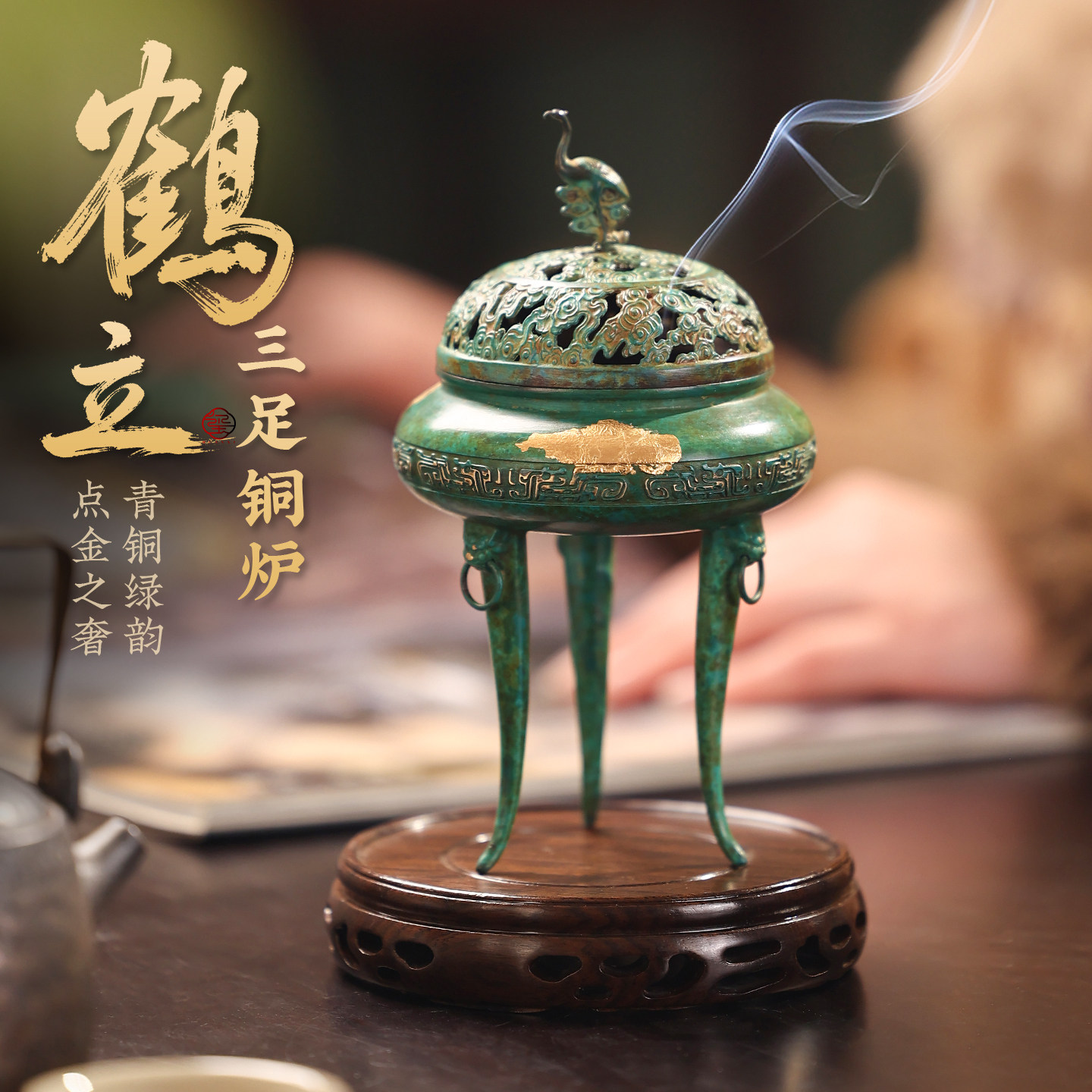
在中国传统的文人生活中,香与茶从未分家。如果说茶是味觉的修行,那么香便是嗅觉的禅意。在快节奏的现代生活中,点燃一支香,看青烟袅袅升起,便是在喧嚣尘世中为自己划定了一方静谧的心灵道场。
In the traditional life of Chinese literati, incense and tea have always been inseparable. If tea is a practice for the sense of taste, then incense is the Zen of the sense of smell. In the fast-paced modern life, lighting a stick of incense and watching the curling blue smoke rise is like carving out a quiet spiritual sanctuary for oneself amidst the hustle and bustle.
香道,并非单纯的焚香,而是一门关于嗅觉的艺术,一种通过香气来颐养身心、感悟生活的高级形式。它讲究“静心契道”,通过识香、品香,达到调息养神、感悟生活的境界。
Incense Taoism is not merely the burning of incense, but an art of the sense of smell—a sophisticated form of nurturing the body and mind through fragrance. It emphasizes "calming the mind to align with the Dao," using the recognition and appreciation of incense to regulate breathing, nourish the spirit, and gain a deeper understanding of life.
1. 历史溯源:从祭祀到文人的雅事 Historical Origins: From Sacrifice to Literati Elegance
香道的历史在中国可追溯至六千年前的上古时期。最初,香是沟通天地神明的媒介,《周礼》中便记载了“女巫掌岁时祓除衅浴”,以香草沐浴熏室来驱邪祈福。
The history of Incense Taoism in China can be traced back 6,000 years to ancient times. Initially, incense was a medium to communicate with heaven, earth, and deities. The Rites of Zhou records "Nüwu presides over the purification of the years," using aromatic herbs to bathe and fumigate rooms to ward off evil and pray for blessings.
到了汉代,随着丝绸之路的繁荣,沉香、青木等珍贵香料传入中原,香具也从庄重的青铜博山炉演变为精巧的陶瓷熏炉。而香道的巅峰则在宋代,正如吴自牧在《梦粱录》中所言:“焚香、点茶、挂画、插花,四般闲事,不宜累家。” 宋人将香道生活化、艺术化,无论富贵贫贱,皆以焚香为荣。
During the Han Dynasty, with the prosperity of the Silk Road, precious spices like Agarwood and Blue Wood were introduced to the Central Plains. Incense burners evolved from solemn bronze Bo Shan Lu (Mountain Censers) to exquisite ceramic incense burners. The peak of Incense Taoism arrived in the Song Dynasty. As Wu Zimu wrote in Dreams of the Red Mansions: "Burning incense, whisking tea, hanging paintings, and flower arrangement—the four leisurely pursuits should not burden the family." The Song people transformed incense into a lifestyle and art; regardless of wealth or status, burning incense was considered an honor.
历史典故 Historical Story: 苏轼与印香。宋代大文豪苏东坡不仅是美食家,也是资深香友。他曾在海南谪居期间,利用当地的沉香和椰子壳制作香具,并研究“印香”(即香篆)。这份在逆境中仍保持的雅致,正是香道精神的内核。
Historical Story: Su Shi and the Incense Seal. The great Song Dynasty writer Su Dongpo was not only a gourmand but also a seasoned incense enthusiast. While exiled in Hainan, he used local Agarwood and coconut shells to make incense tools and studied the "Yin Xiang" (Incense Seal). This elegance maintained in adversity is the core spirit of Incense Taoism.
2. 演变方式:从宫廷礼制到生活美学 Evolution: From Imperial Ritual to Life Aesthetics
香道的演变经历了三个重要阶段:
The evolution of Incense Taoism has gone through three important stages:
The evolution of Incense Taoism has gone through three important stages:
-
燔柴祭天 (Burning Wood for Sacrifice): 上古至先秦时期,人们通过燃烧柴火(燔柴)来祭祀上天,这是“香”的萌芽期,讲究的是庄重与敬畏。
From Shang to Qin: People offered sacrifices to heaven by burning wood (Fan Chai). This was the embryonic stage of "incense," emphasizing solemnity and reverence. -
熏香除秽 (Fumigating to Cleanse): 汉唐时期,随着香料的丰富,熏香成为贵族生活的一部分。唐代的金银错镂香囊、博山炉,不仅是熏衣除味的工具,更是身份的象征。
Han and Tang Eras: With the abundance of spices, fumigation became part of aristocratic life. The Tang Dynasty's gold-and-silver inlaid incense balls and Bo Shan Lu were not just tools for fumigating clothes but symbols of status. -
隔火熏香 (Indirect Heating): 宋元明清至今,香道走向了“隔火熏香”的精细化。不再直接燃烧香材,而是通过炭火与隔片的温控来逼出香气,这一演变标志着香道从“嗅觉刺激”转向了“精神内省”。Indirect Heating: From the Song, Yuan, Ming, and Qing dynasties to today, Incense Taoism has moved towards the refinement of "Indirect Heating." Instead of burning the incense material directly, heat from charcoal and a heat shield is used to extract the aroma. This evolution marks the shift of Incense Taoism from "olfactory stimulation" to "spiritual introspection."
3. 制作工艺:一炷香里的匠心 Craftsmanship: The Artisan Spirit in a Stick of Incense
在 ClayAndLeafTea,我们深知每一支香背后都凝聚着复杂的工艺。以最受欢迎的沉香线香为例,其制作过程堪比酿酒,需经历以下步骤:
At ClayAndLeafTea, we deeply understand that every stick of incense embodies complex craftsmanship. Take the most popular Agarwood Stick Incense as an example; its production process is akin to winemaking and involves the following steps:
- 选材 (Selection): 甄选海南、越南或马来西亚的优质沉香原料。我们坚持使用天然楠木粉作为粘合剂,绝不添加化学香精。
Selection: Selecting high-quality Agarwood raw materials from Hainan, Vietnam, or Malaysia. We insist on using natural Nanmu powder as a binder, never adding chemical essences. - 研磨 (Grinding): 将沉香原材研磨成极细的香粉,这一过程需要控制湿度,以免香气流失。
Grinding: Grinding the Agarwood raw material into extremely fine incense powder. This process requires humidity control to prevent the loss of aroma. - 和香 (Mixing): 这是制香中最玄妙的一步。制香师需根据香粉的年份与油脂含量,调配出最佳的香韵比例,如同调制香水的前中后调。
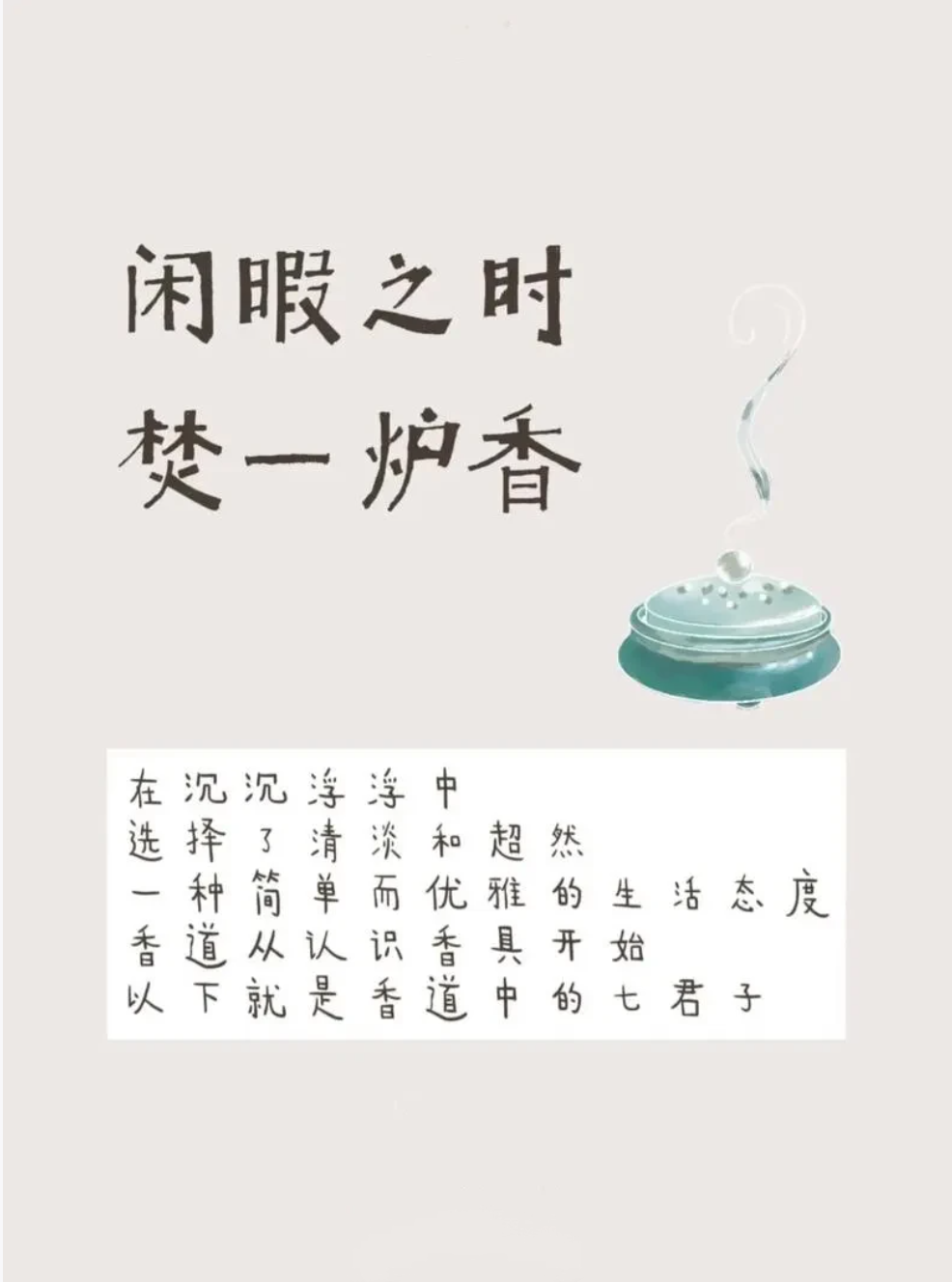
Mixing: This is the most mysterious step in incense making. The incense master must adjust the ratio of the aroma based on the age and oil content of the powder, similar to blending the top, heart, and base notes of a perfume. - 成型 (Shaping): 将香泥手工搓制成线香,或填入模具制成香篆 (Incense Seal)。每一道工序都需在静心的状态下完成。
Shaping: Hand-rolling the incense paste into sticks or pressing it into molds to make Incense Seals (Xiangzhuan). Every process must be completed in a state of tranquility.
4. 香之器:隔火熏香的智慧 The Vessels of Incense: The Wisdom of Indirect Heating
正如前文所述,宋代的“隔火熏香”法是香道工艺的集大成者。这一方式不使用明火直接燃烧香材,而是通过埋在香灰下的炭火,利用热力将沉香片或香丸中的油脂缓缓逼出。
As mentioned earlier, the "Indirect Heating" method of the Song Dynasty is the culmination of incense craftsmanship. This method does not use an open flame to burn the incense material directly. Instead, it uses the heat from charcoal buried under the incense ash to slowly release the oils from the agarwood slices or incense pills.
一套完整的隔火熏香工具通常包括:
A complete set of indirect heating tools usually includes:
A complete set of indirect heating tools usually includes:
- 香炉 (Incense Burner): 用于盛放香灰,需选用壁厚、导热慢的材质(如铜炉或厚胎瓷炉)。
Incense Burner: Used to hold the incense ash, requiring thick-walled materials with slow heat conduction (such as bronze or thick porcelain). - 香炭 (Charcoal): 最好选用无烟的枣核炭,燃烧时间长且温度稳定。
Charcoal: Preferably smokeless jujube-core charcoal, which burns for a long time and maintains a stable temperature. - 云母片/银叶 (Mica Plate/Silver Leaf): 隔热片,用于放置香材。银叶导热快,适合味道清淡的香;云母片导热慢,适合油脂丰富的沉香。
Mica Plate/Silver Leaf: A heat shield for placing the incense material. Silver leaves conduct heat quickly, suitable for light scents; Mica plates conduct heat slowly, suitable for oil-rich Agarwood.
5. 香之用:香与茶的精神共鸣 The Use of Incense: The Spiritual Resonance of Incense and Tea
在 ClayAndLeafTea 的哲学中,香与茶是不可分割的双生花。点燃一支老山檀 (Sandalwood),其醇厚的奶香能中和空气中的潮湿,此时配上一杯陈年普洱 (Aged Pu-erh),檀香的甘甜与茶汤的陈韵在口腔中交织,构建了一个立体的感官世界。
In the philosophy of ClayAndLeafTea, incense and tea are inseparable twin flowers. Lighting a stick of Old Mountain Sandalwood can neutralize the damp air with its mellow milky fragrance. Paired with a cup of Aged Pu-erh, the sweetness of the sandalwood and the aged rhyme of the tea soup intertwine in the mouth, constructing a three-dimensional sensory world.
而对于现代都市人,线香 (Stick Incense) 是最便捷的“精神按摩”。在办公桌前点燃一支沉香线香,看青烟直上,思绪也随之沉淀。这不仅是东方的仪式,更是全球通用的“慢生活”语言。
For modern urbanites, Stick Incense is the most convenient "spiritual massage." Lighting a stick of Agarwood Incense on your desk and watching the blue smoke rise allows your thoughts to settle. This is not just an Eastern ritual but a universal "Slow Living" language.
6. 香道入门速查表 Summary: Quick Reference Guide for Incense Taoism Beginners
为了方便你在日常茶事中快速上手,我们整理了这份结合了历史演变与现代场景的香道搭配指南:
To help you get started quickly in your daily tea rituals, we have compiled this pairing guide combining historical evolution with modern scenes:
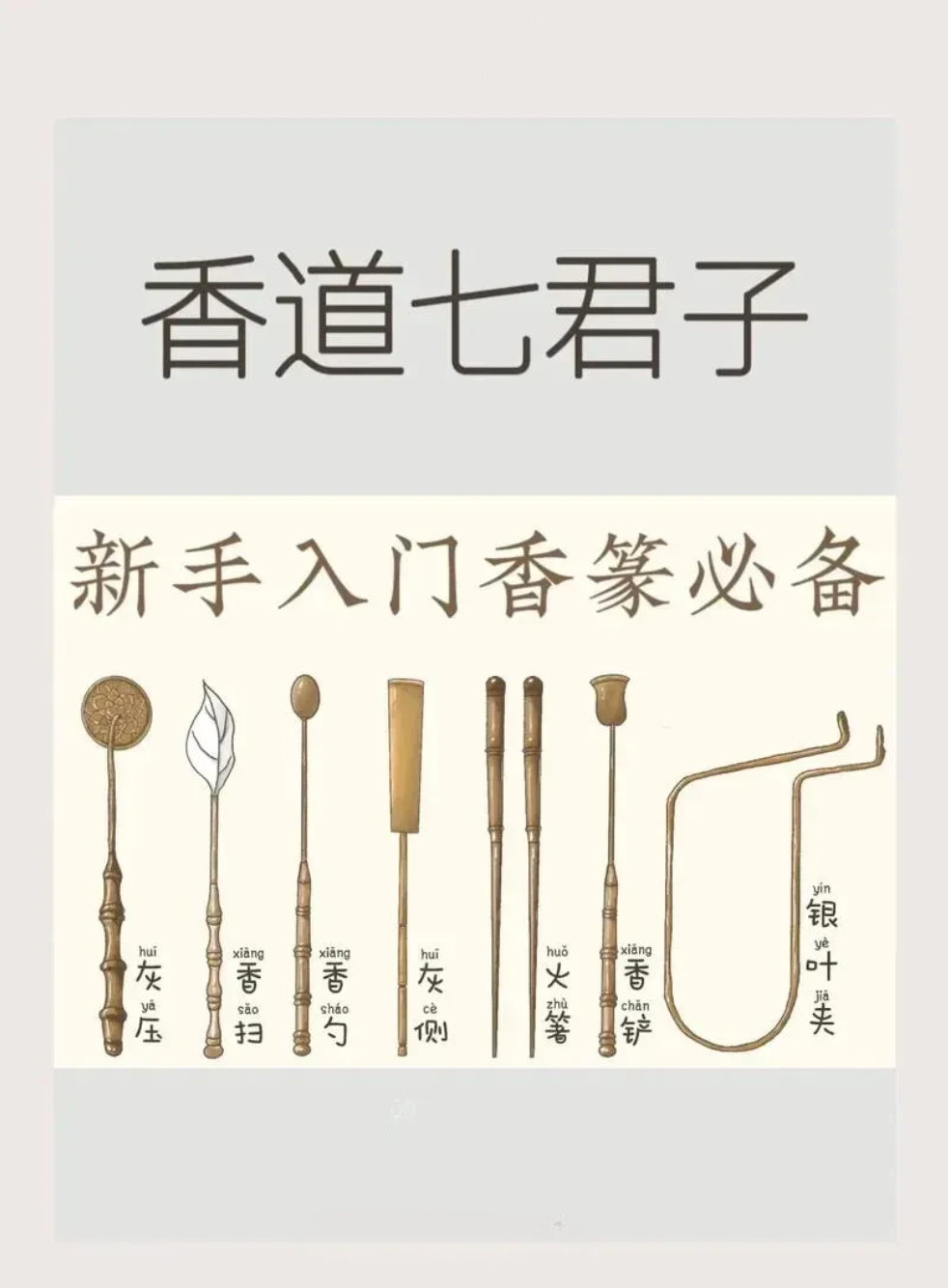
7. 香道七君子 The Seven Gentlemen of Incense
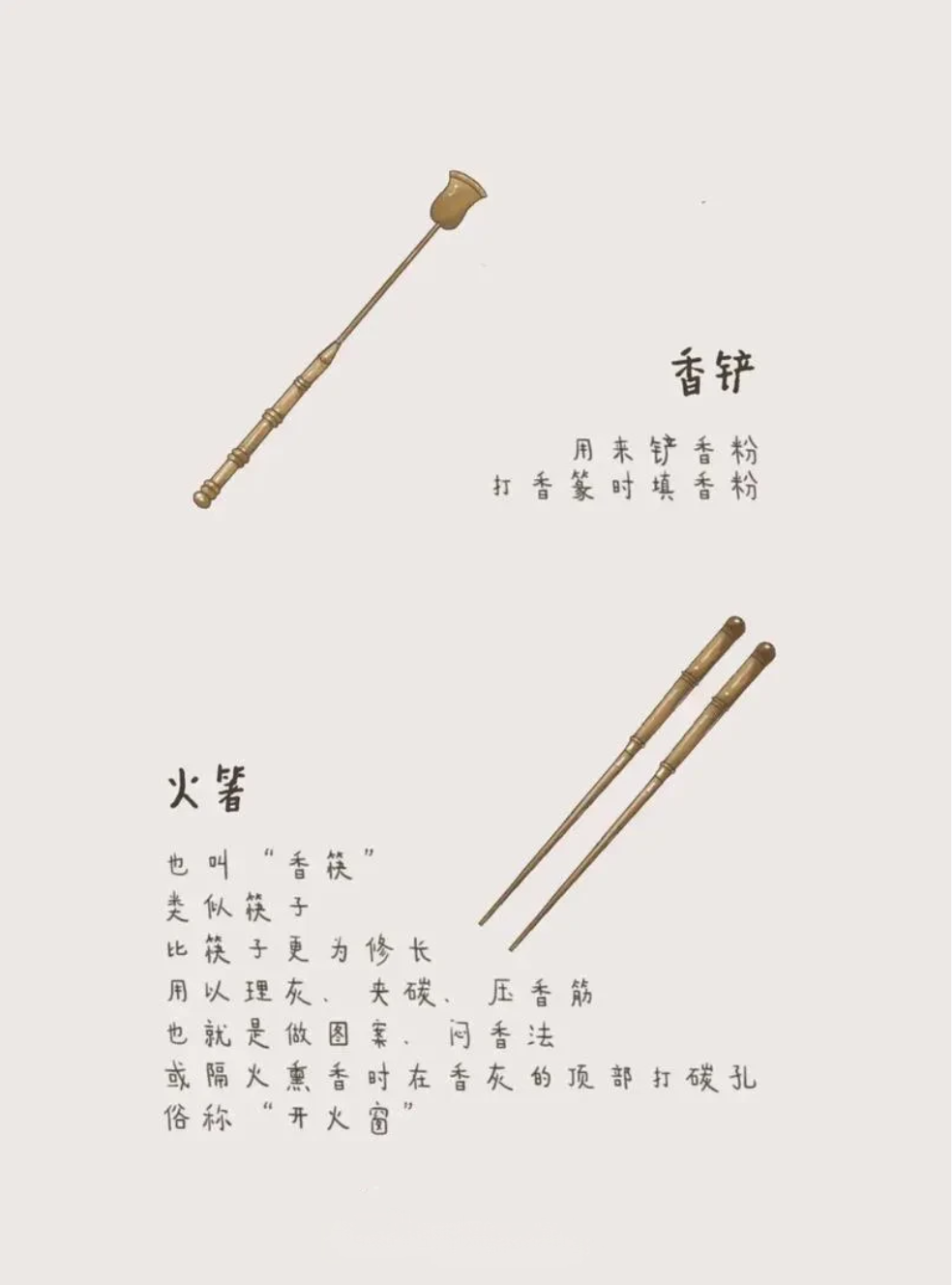
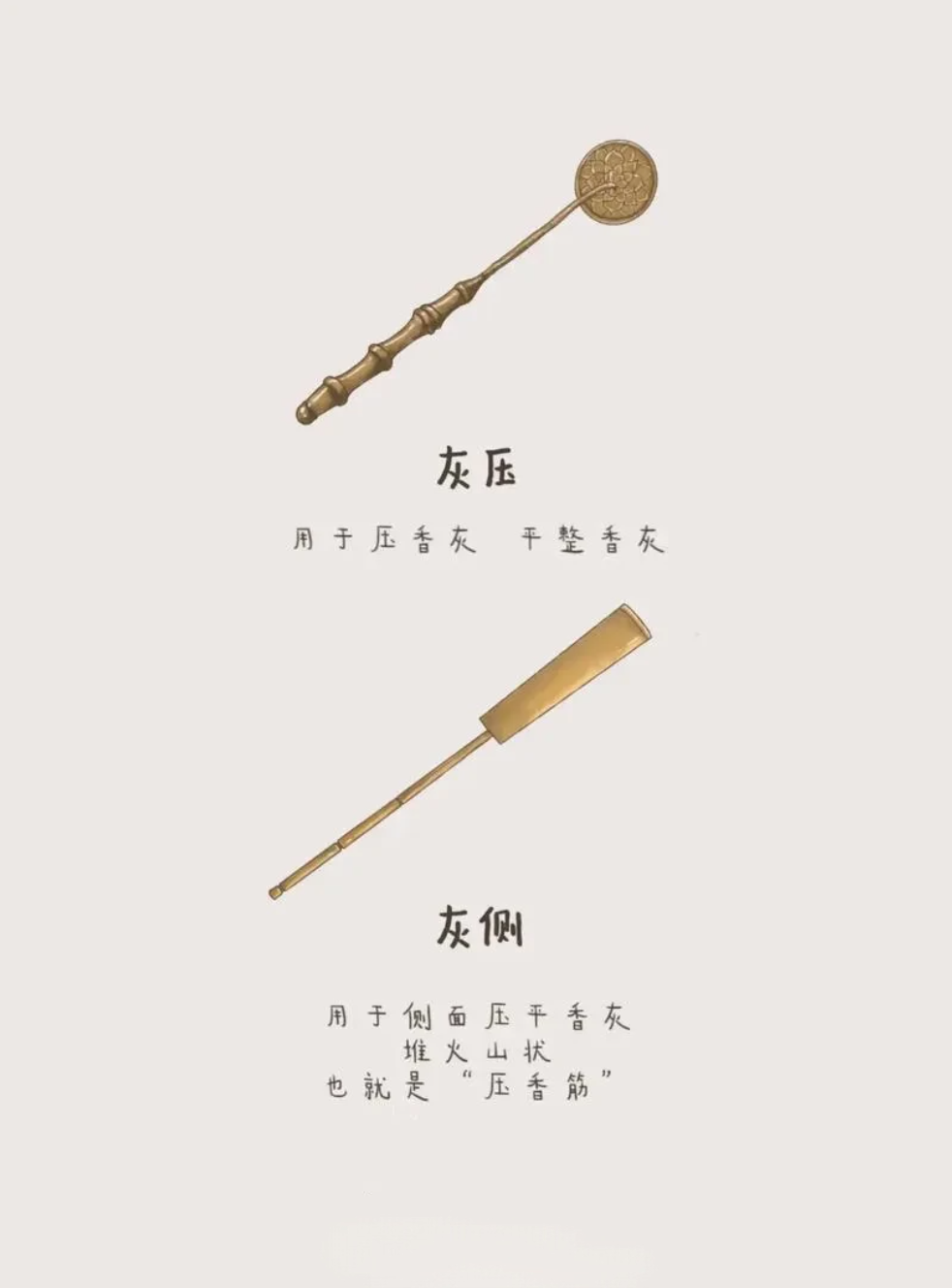
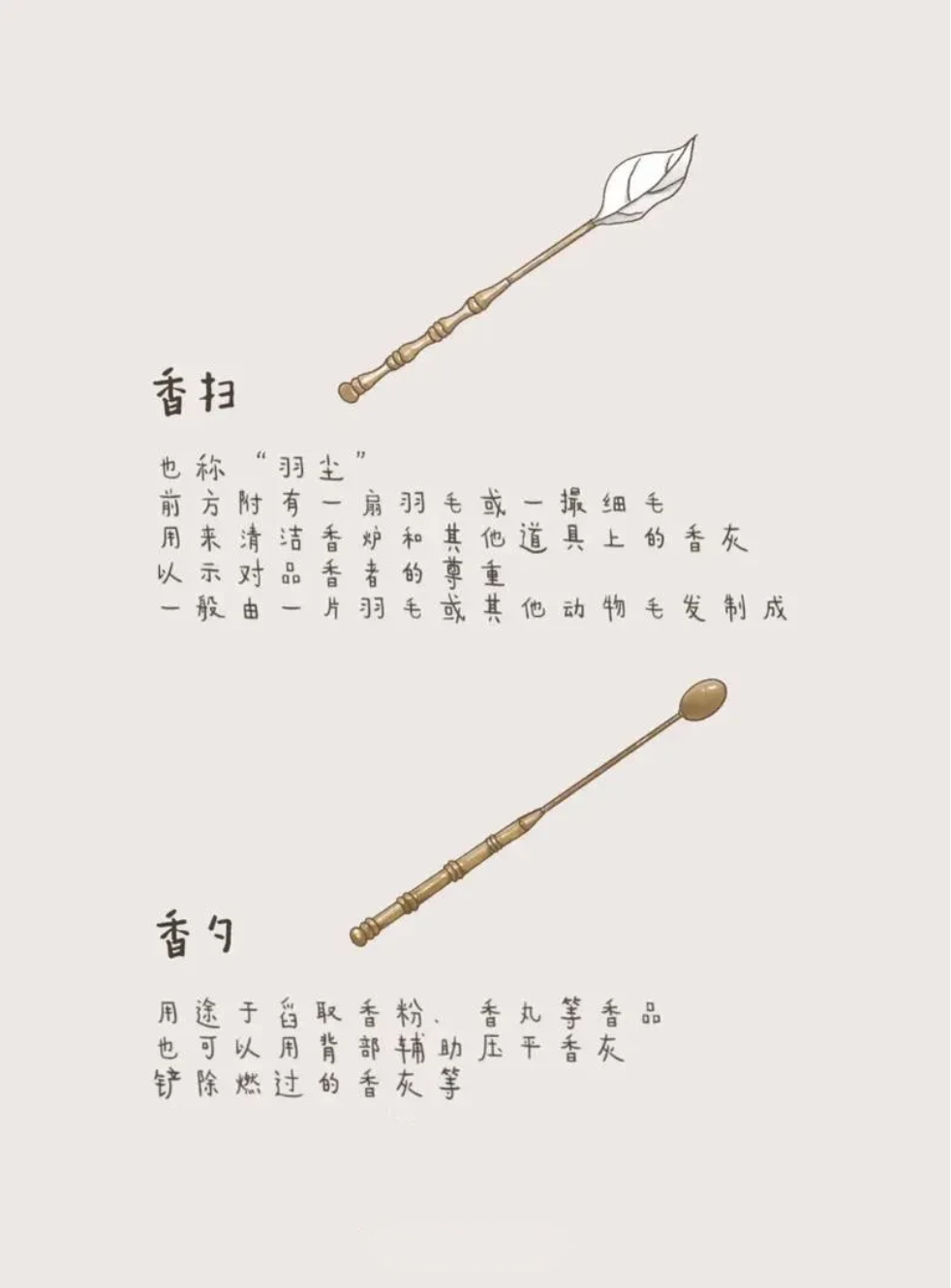
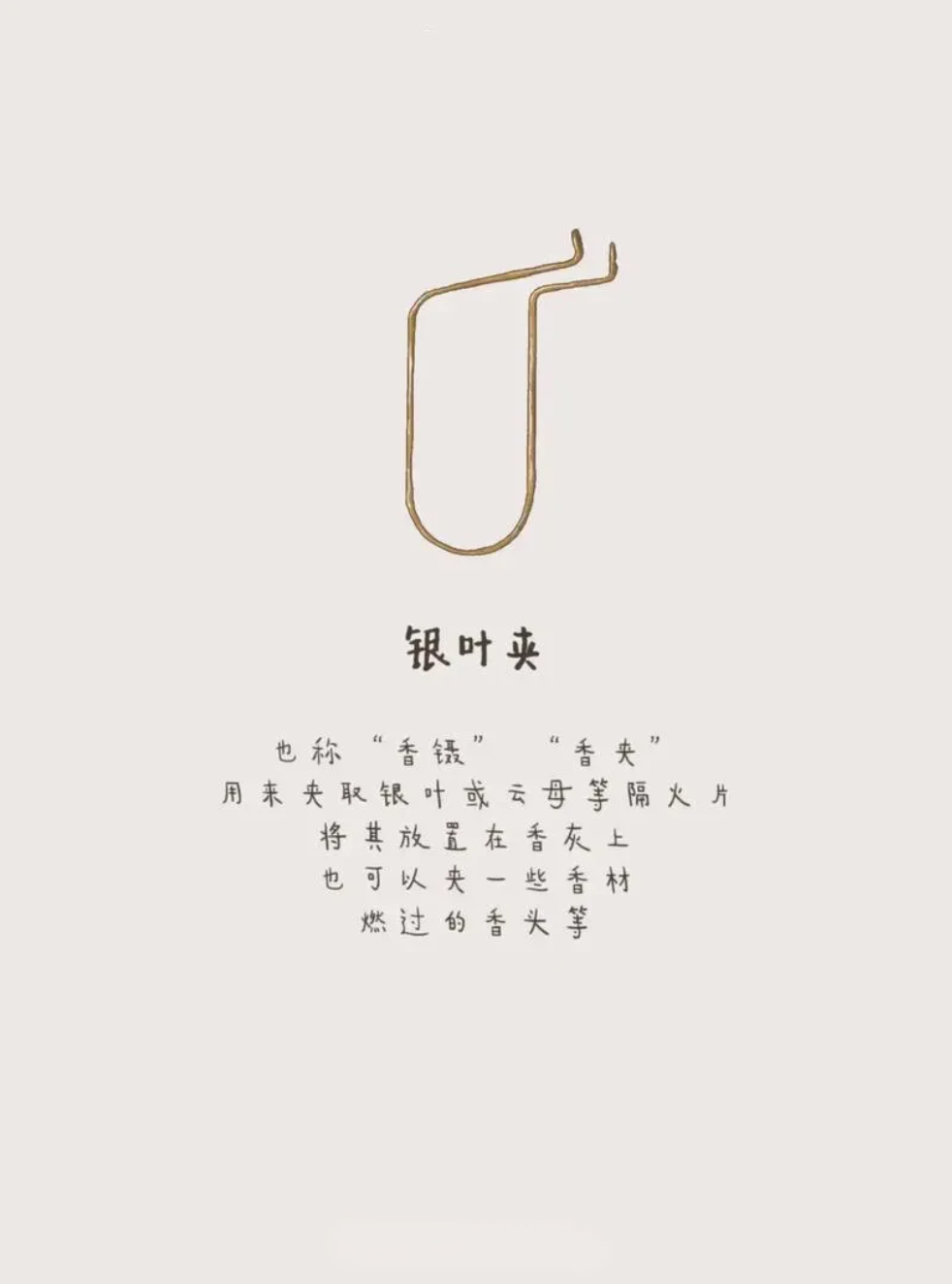
结语Conclusion
香道,是一场关于嗅觉的旅行,也是一次回归内心的修行。愿你能在 ClayAndLeafTea 找到那一缕属于你的东方馨香,让生活回归本真。
Incense Taoism is a journey of the sense of smell and a practice of returning to one's inner self. May you find that wisp of Oriental fragrance that belongs to you at ClayAndLeafTea, letting life return to its origin.
博客:各种香道器具的用途解析